

JOHNN
Electrical engineers providing technical consultation for transformer selection

Technical support

Services

Product resources and practical guidance for power distribution projects.

Project Support

JOHNN supports importers, distributors, photovoltaic product suppliers, electrical wholesalers, engineering suppliers and equipment manufacturers with power transmission and distribution solutions.

Our support covers product selection, custom branding, model configuration, packaging, labels, technical documents, samples and batch-order coordination. Service details can be tailored to the project and confirmed before production.

Product Resources

Downloads

Access the current product information for JOHNN power-distribution equipment.

JOHNN Product Catalog

PDF · Product information

Download PDF

Support FAQ

Frequently Asked Questions

Choose a topic and send your question through the inquiry form below.

General Questions

01 Are You a Manufacturer or a Trading Company?

We are an integrated electrical equipment manufacturer with a production base in Yueqing, Zhejiang. We operate our own transformer, instrument transformer and electrical enclosure production lines and inspection team, and also provide export, OEM and ODM services.

02 What Is the Minimum Order Quantity?

The minimum order quantity is one transformer, one instrument-transformer set, or one electrical enclosure. A three-phase instrument-transformer set normally includes three units, and single-unit orders can be discussed. Sample orders, small projects and volume orders are supported; final pricing for single-unit or low-volume custom orders is confirmed by formal quotation.

03 What Is the Lead Time?

Standard transformers, instrument transformers and standard electrical enclosures typically require 15 to 25 business days. Non-standard custom products typically require 25 to 40 business days. Large orders or projects requiring third-party test reports are confirmed separately. Shipping time is excluded, and production scheduling begins after drawings are confirmed and the advance payment is received.

04 What Certifications Do Your Products Have?

Products have CE certification, and the factory operates an ISO 9001 quality management system. IEC, UL and other third-party test reports can be provided for the target market, and certification testing can be arranged according to customer requirements.

Transformers

05 What Types of Transformers Do You Produce?

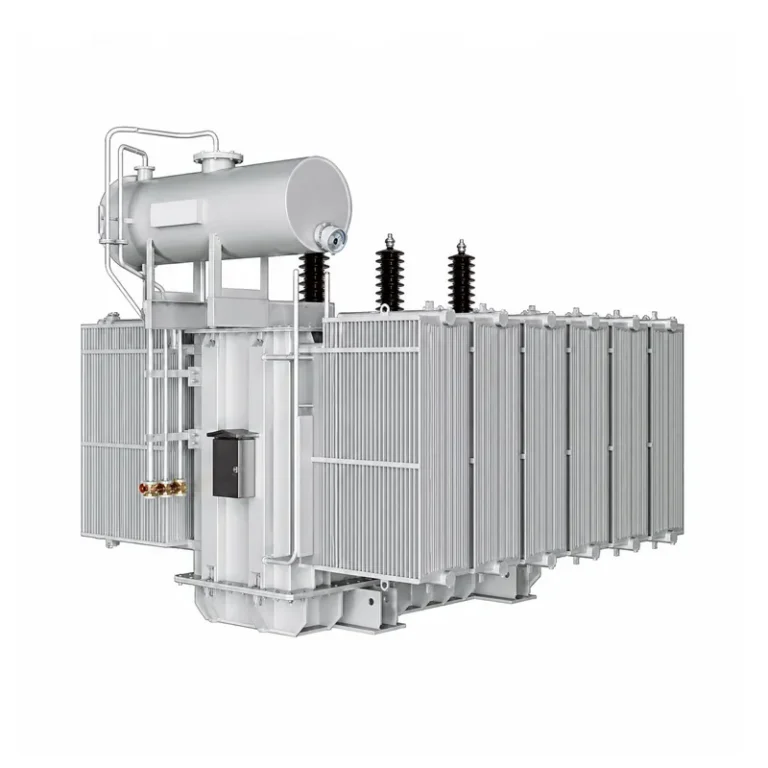
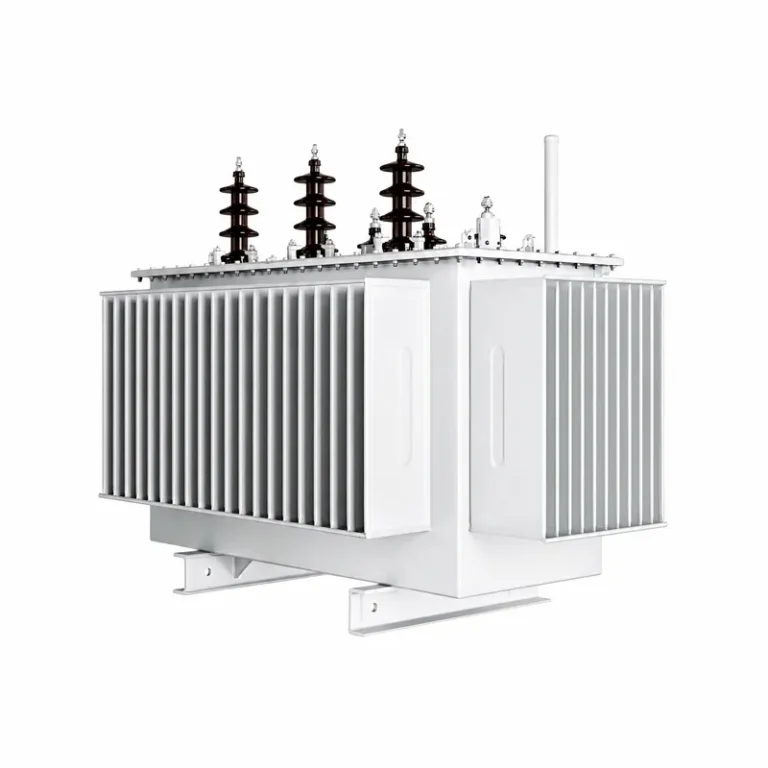
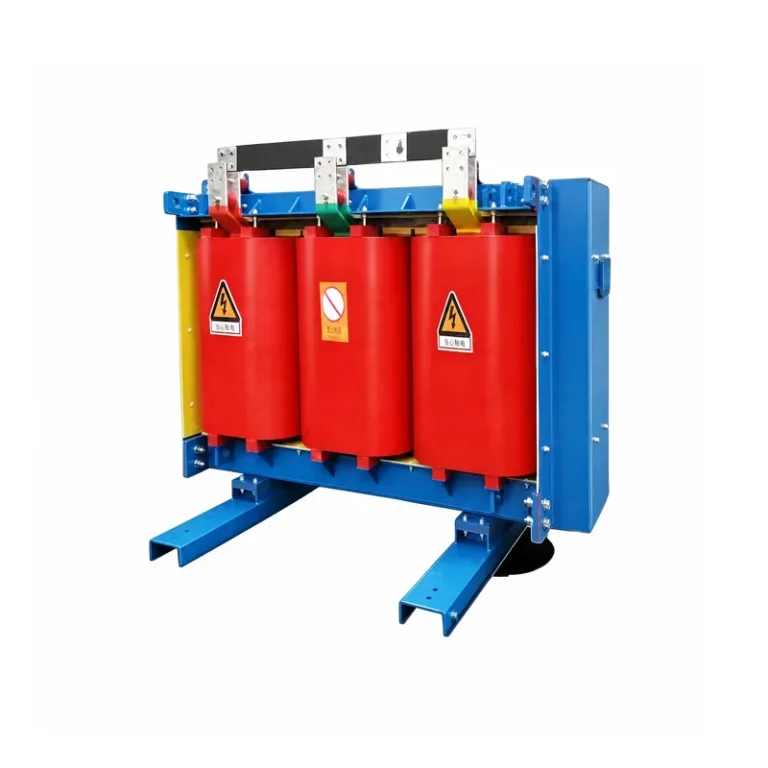
We mainly produce oil-immersed distribution transformers and epoxy-resin cast dry-type transformers. Isolation transformers and special transformers are also available. Capacities range from 10 kVA to tens of thousands of kVA for grid distribution, industrial and mining projects, commercial buildings and power-station applications, with OEM and ODM customization available.

06 Can Voltage, Frequency and Capacity Be Customized?

Yes. Please provide rated capacity, high- and low-voltage ratings, tap positions, phase and frequency, vector group, impedance voltage, cooling method, indoor or outdoor environment and accessory requirements. Please also share any special standards, enclosure or drawing requirements. If parameters are incomplete, provide the operating conditions and we can assist with selection.

07 How Are Losses and Temperature Rise Controlled?

We use quality silicon steel and insulation materials. Temperature rise is controlled within the limits of the applicable insulation class, no-load and load losses can be optimized to project requirements, and factory test reports are provided.

08 Which Insulation Classes Are Available?

B Class (130 C), F Class (155 C) and H Class (180 C) insulation systems are available. Every unit passes dielectric withstand testing before shipment, such as 2 kV for one minute where applicable, to meet environmental and safety requirements.

09 What Warranty and After-Sales Support Are Available?

The standard warranty is 12 months from the ex-works date and can be extended by agreement. During the warranty period, non-human-caused failures are repaired or replaced free of charge. We also provide selection support and remote installation guidance.

Instrument Transformers

10 What Is the Difference Between Current and Voltage Transformers?

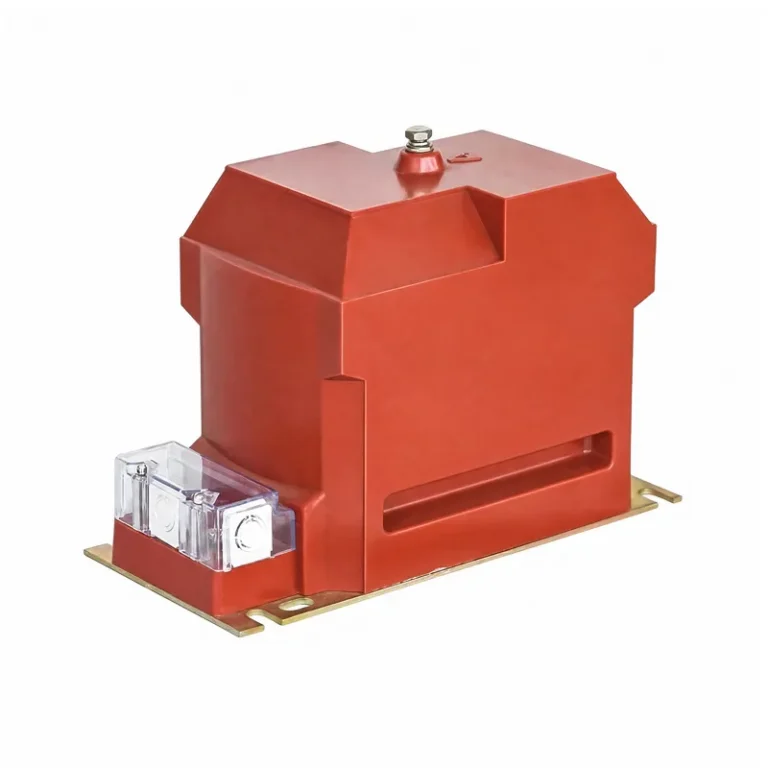
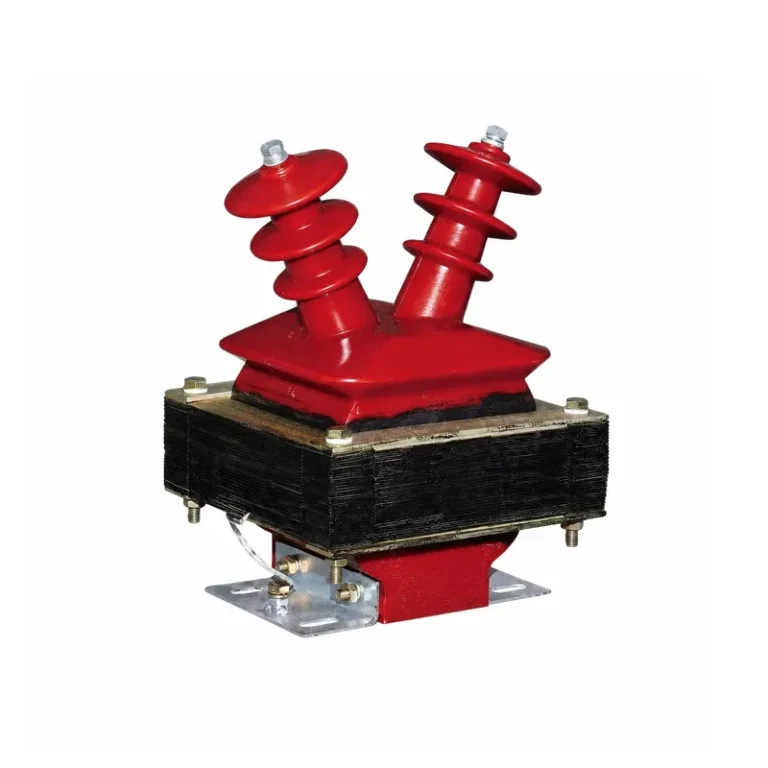
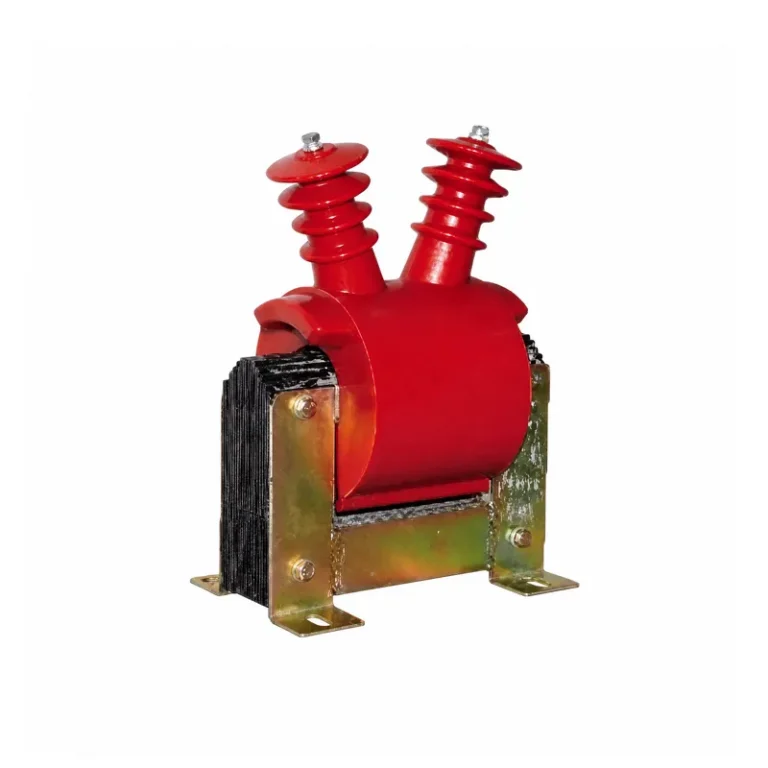
A current transformer (CT) converts high current proportionally to a 5 A or 1 A secondary current for meters and protection devices. A voltage transformer (PT or VT) converts high voltage to a standard low voltage, such as 100 V or 110 V. Both are core components in measurement and protection systems.

11 Which Accuracy Classes Are Available?

Metering and measurement accuracy classes include 0.2, 0.2S, 0.5 and Class 1. Protection accuracy classes include 5P10 and 10P10. Products comply with IEC 61869 and GB/T 20840, are calibrated unit by unit before shipment, and can be supplied with error reports.

12 Can Ratios and Secondary Ratings Be Customized?

Yes. Primary current can be customized from tens of amperes to several thousand amperes. Standard secondary outputs are 5 A or 1 A, with non-standard ratios and dual-ratio tap designs available according to rated parameters and load requirements.

13 What Insulation Structure Is Used?

The mainstream option is epoxy-resin cast dry insulation, which is weather-resistant and maintenance-free for indoor or outdoor use. Composite-insulation or oil-immersed options are available for special applications. Cast bodies pass partial-discharge and power-frequency withstand-voltage tests.

14 How Do I Select a Suitable Model?

Please provide the primary rated current or voltage, secondary output value of 5 A or 1 A, accuracy class, installation method such as window, busbar or post type, and the indoor or outdoor environment. We can provide selection recommendations.

Electrical Enclosures

15 Which Materials and Thicknesses Are Available?

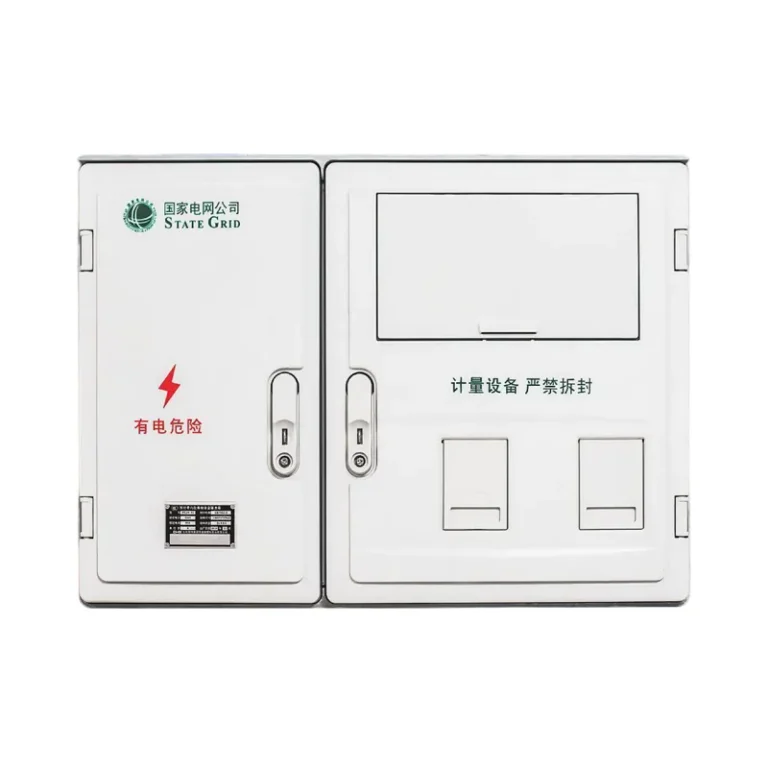
Options include cold-rolled steel sheet in common 1.0, 1.2, 1.5 and 2.0 mm thicknesses, galvanized sheet, 304 or 316 stainless steel and aluminum alloy. Material thickness is customized for load requirements and the operating environment; galvanized or stainless steel is recommended for outdoor or corrosive environments.

16 Which IP Protection Ratings Are Available?

Common ratings include IP54, IP55, IP65 and IP66. Dust and water protection is achieved through sealing strips, locks and cable-entry treatment, with factory protection testing to IEC 60529.

17 Can Surface Finish and Color Be Customized?

Powder coating in the full RAL range, galvanizing and baked finishes are available. Phosphating before coating supports adhesion, salt-spray test reports can be provided, and colors can be customized to the RAL color chart.

18 Can Dimensions and Structure Be Built to Drawings?

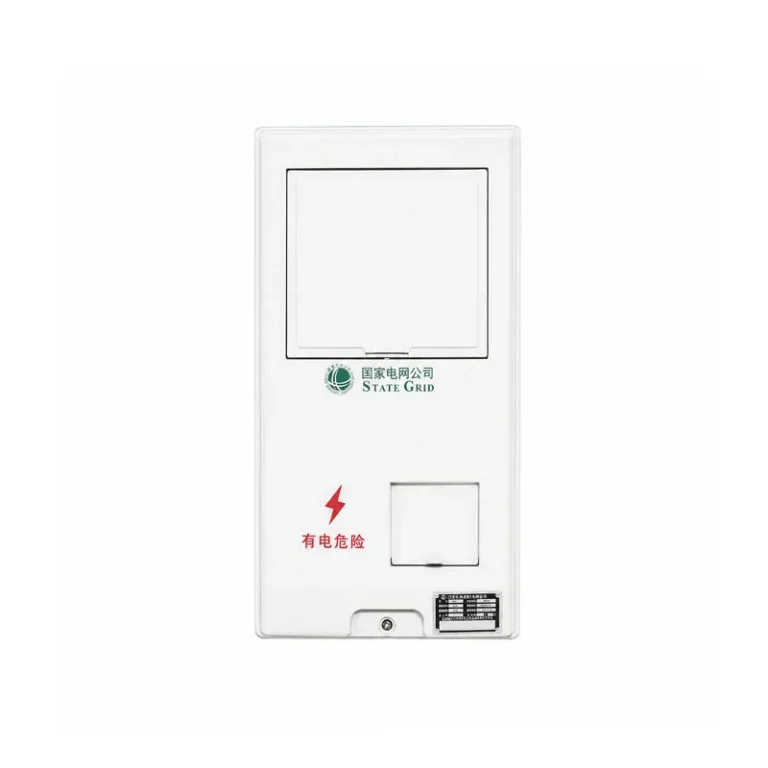
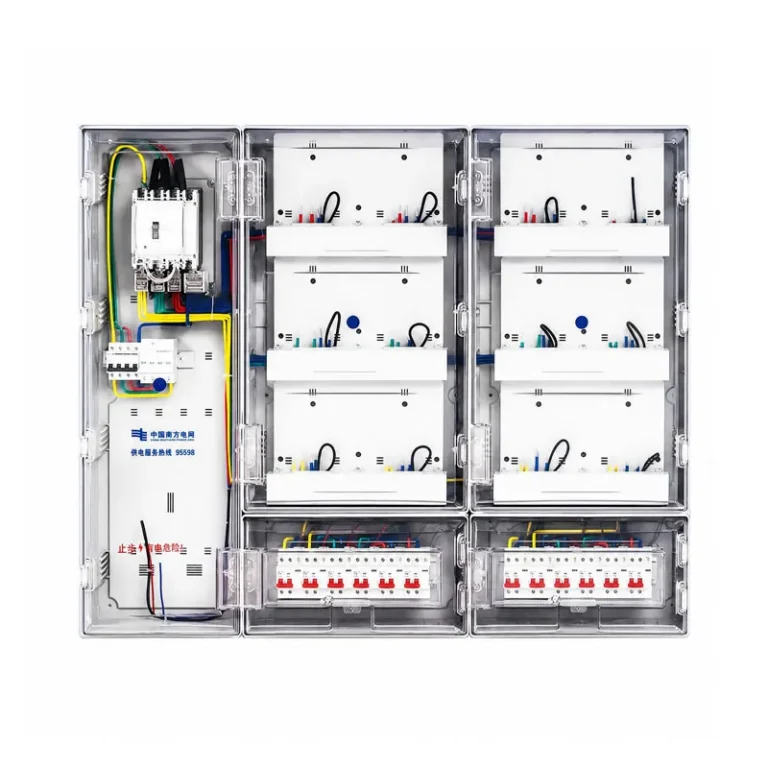
Yes. External dimensions, cutout positions, mounting plates, bases, louvers and viewing windows can be customized. We can provide structural recommendations and begin production after 3D drawing confirmation.

19 How Is Long-Term Outdoor Use Protected?

Outdoor enclosures use sealed structures, UV-resistant powder coating and stainless-steel hinges and locks. Rain hoods, ventilated dust protection and heating or dehumidification components can be added for long-term outdoor protection.

20 How Are Packaging and Transport Managed?

Export-standard packaging uses stretch film, corner protectors and cartons or wooden cases. Heavy enclosures use fumigation-free wooden cases. Consolidated and full-container shipments are supported, together with packing lists, shipping marks and complete export documentation.