
Buy the instrument that scales line voltage for meters and relays when the job is measurement; buy the tank or dry-type unit that moves load energy when the job is supply — that is the difference between potential transformer and power transformer. The letters PT make the first mistake easy, because one warehouse reads potential transformer and another reads power transformer.
The second mistake is the rating scale: a meter secondary printed in VA sitting beside a tank printed in kVA. A control power transformer is a third box for coil inrush. JOHNN keeps the meter job on the voltage-transformers hub and the load job on the transformers hub.
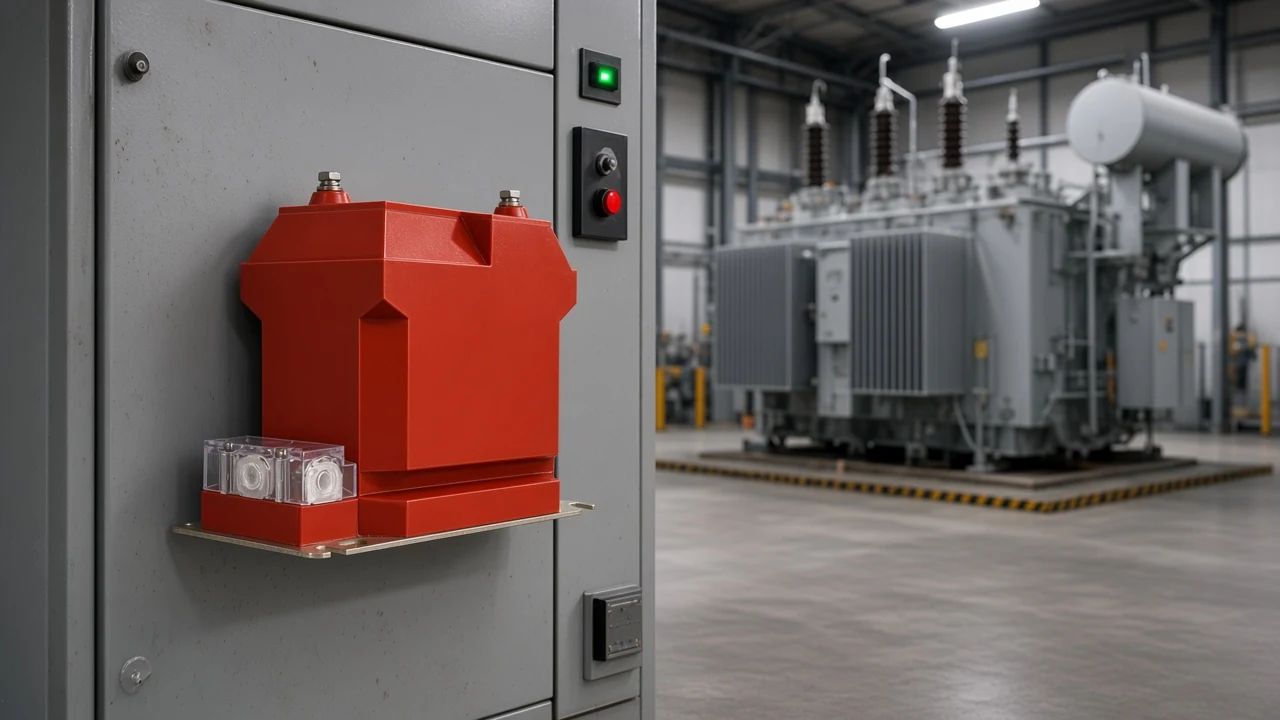
Buy a Potential Transformer for Meters, a Power Transformer for Load
A potential transformer feeds meters and relays; a power transformer moves load energy.
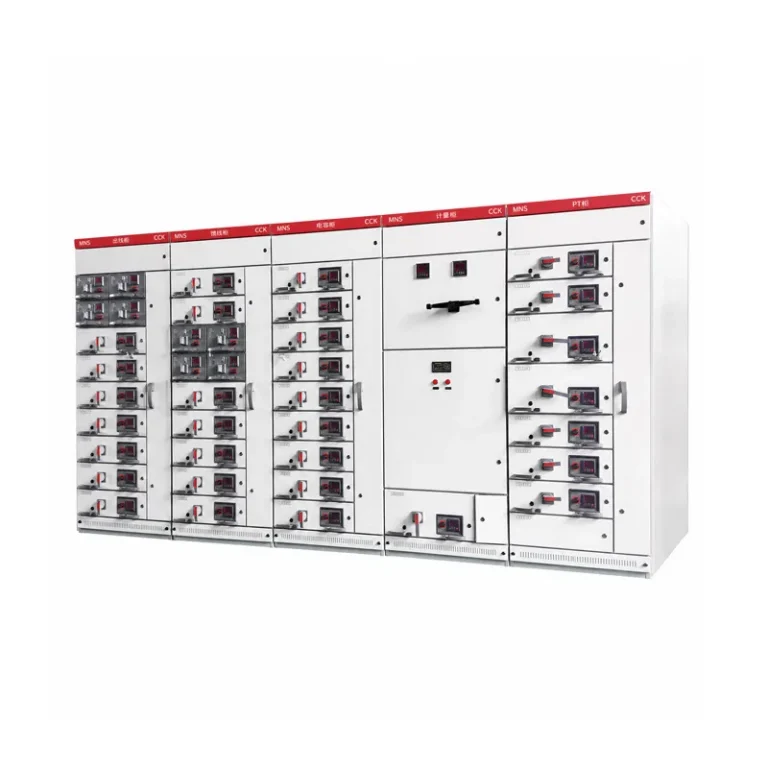
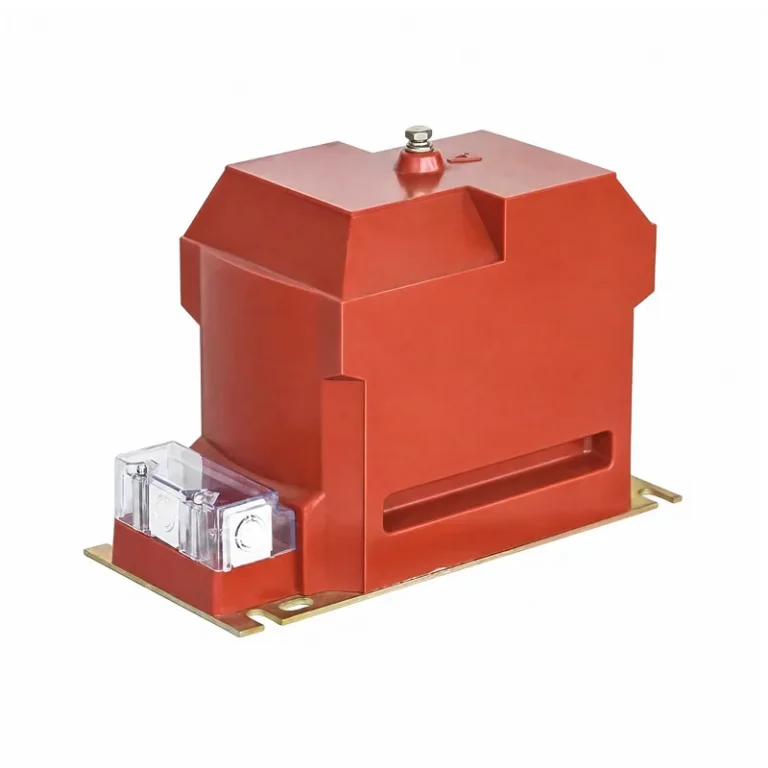
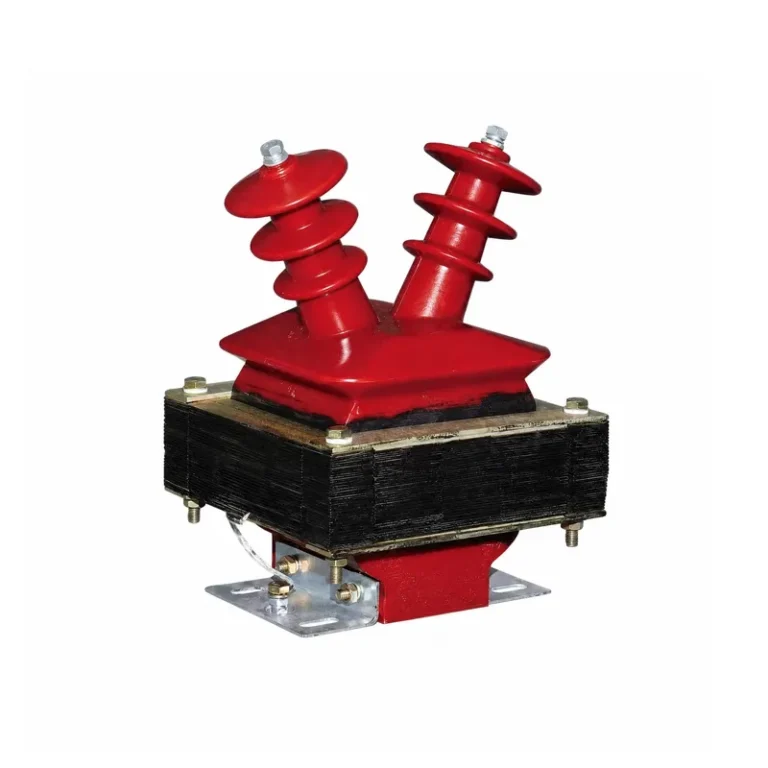
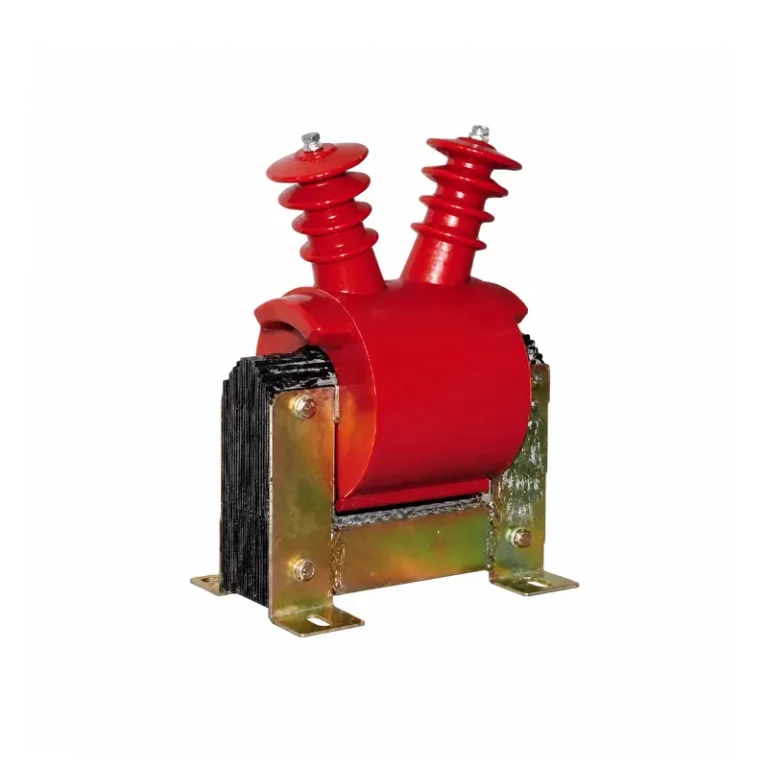
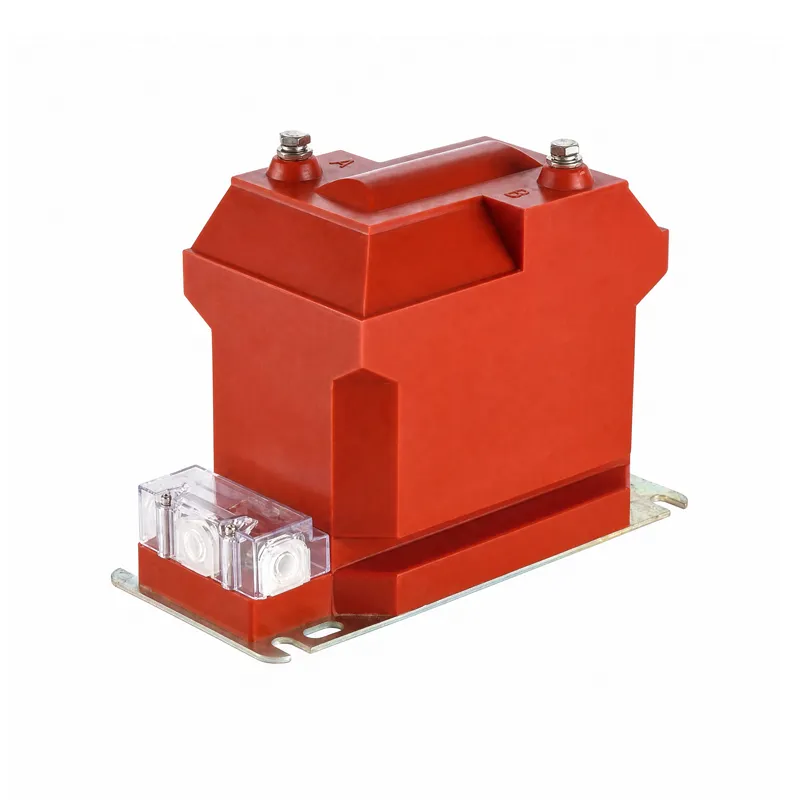
On a 10 kV indoor switchgear row or a metering cabinet, the voltage input to a voltmeter or relay coil has to copy the line, not feed a plant. That small instrument is the potential transformer, sold in catalogs as a voltage transformer.
Across the yard, a substation or factory still has to move energy from a higher circuit toward a load voltage. That tank or dry-type unit is the power transformer, and its job is delivery rather than a faithful millivolt copy.
Write “PT” on a requisition and the warehouse can ship either machine. Name the job first: meter and relay voltage, or load energy.
Why PT Also Reads as Power Transformer — and Why Voltage Transformer Is Clearer
Here, PT means the instrument also called a voltage transformer; people who need bulk energy are talking about a different machine that sometimes borrows the same two letters.
IEEE Technav still lists both names for one instrument class: voltage transformers that step a high primary down to a standardized secondary for metering equipment, protection relays, and control systems. Forum readers keep asking whether PT stands for potential transformer and power transformer, then sketch a bulk voltage path under the same abbreviation.
The clearer catalog name answers what is a voltage transformer: an instrument that presents a proportional secondary to meters and relays. JOHNN prints that wording on the voltage-transformer hub, which is why VT is the safer label on a purchase order.
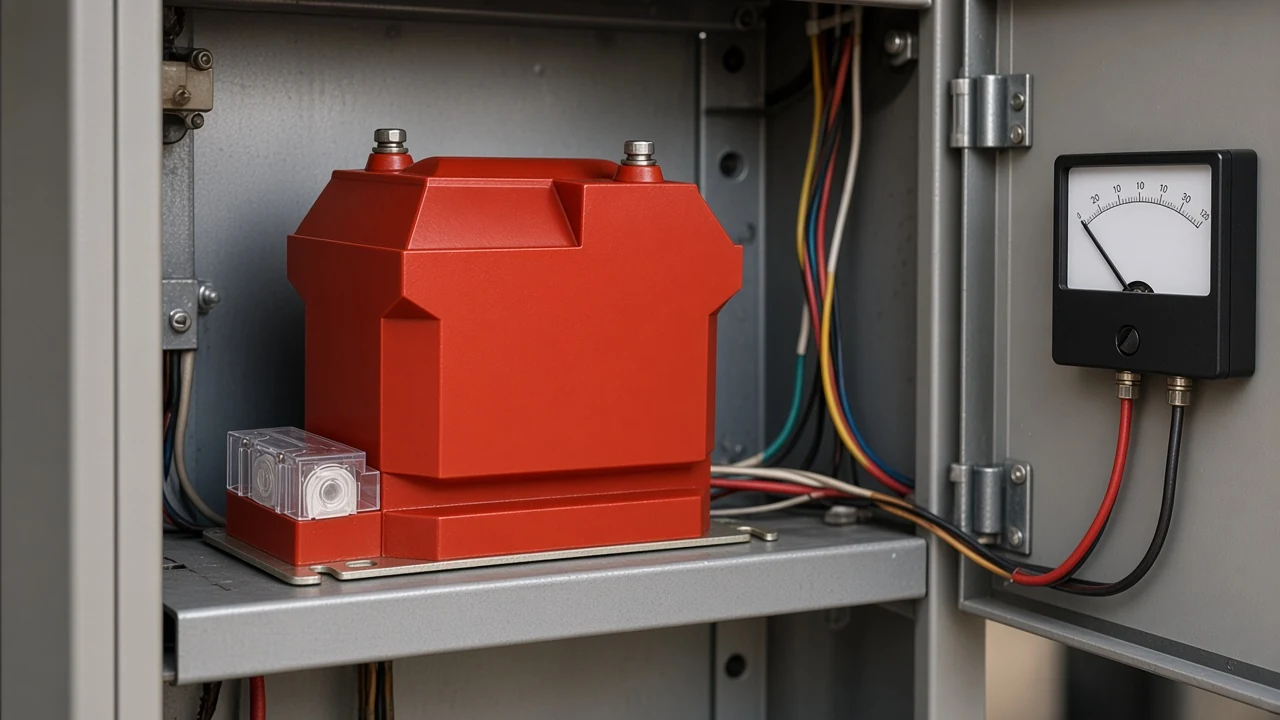
What a Power Transformer Moves That a Meter Cannot Use
A power transformer changes voltage so load energy can be delivered; it is the wrong device for a meter or relay voltage coil.
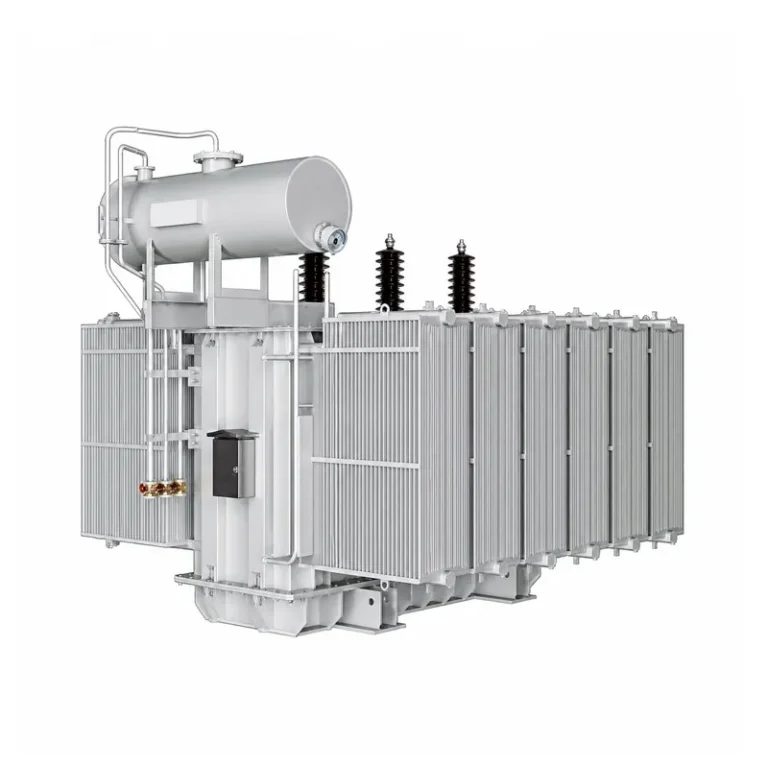
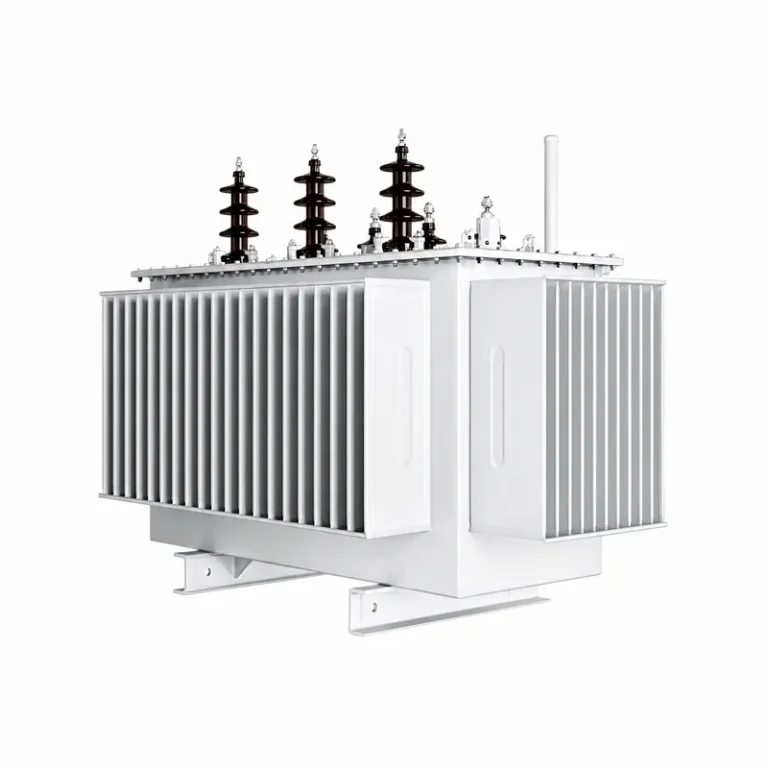
IEEE Technav describes power transformers as static electromagnetic devices that transfer electrical energy between circuits operating at different voltages. The 35kV oil-immersed transformer on JOHNN is printed as an oil-immersed power transformer for substations and industrial and mining plants.
One printed page there carries two types of power transformer tables: a 50–1600 kVA distribution transformer set and a 630–31500 kVA power-transformer set. Those kVA rows feed plant load. They leave a wattmeter or relay voltage coil without the scaled, accurate input it was built to see.
A Physics Forums wattmeter thread shows the same split on the bench: the current input and the potential coil are separate, and wiring the potential coil wrong leaves the instrument blind to voltage.
The Contract Table: Burden, Accuracy, Connection, and VA Versus kVA
Instrument transformers are built for accuracy at a small VA burden; power transformers are built to transfer energy at kVA.
The difference between instrument transformer and power transformer is the contract, not the induction principle. Both use coupled windings. The instrument must copy magnitude and phase at a rated burden; the power unit must move energy with cooling and regulation.
IEEE places a voltage transformer in shunt across the circuit. A power transformer sits in the energy path between voltage levels.
| Topic | Potential transformer (VT) | Power transformer |
|---|---|---|
| Job | Scaled voltage for meters and relays | Energy transfer between voltage levels |
| Connection | Shunt across the circuit | Energy path between circuits |
| Burden | Small VA inside the rated accuracy class | Load in kVA |
| Accuracy | Ratio and phase-angle contract | Efficiency and regulation |
| Secondary rule | Never short the secondary | Feeds the load circuit |
| Cooling / size language | Compact indoor instrument | Oil-immersed or dry-type tank |
Burden is the VA the meters and relays may draw before the accuracy class slips. Accuracy class is the ratio and phase-angle promise at that burden.
Important: A potential transformer works at very light load, and its secondary must never be short-circuited — the rule belongs on the instrument, where the connected burden is a high-impedance voltmeter or wattmeter pressure coil.
| Device | Printed JOHNN scale | Buy when |
|---|---|---|
| JDZ10-3, 6, 10(Q) voltage transformer | 3000/100, 6000/100, 10000/100 V; 15–200 VA | Meters and relays on 3/6/10 kV indoor panels |
| Control power transformer | No accuracy class; sized on coil inrush | Contactors and solenoids |
| 35kV oil-immersed transformer | 50–1600 kVA distribution table; 630–31500 kVA power-transformer table | Substation or plant energy transfer |
JDZ10-3, 6, 10(Q) prints rated voltage ratios 3000/100, 6000/100, and 10000/100 V, with secondary outputs from 15 VA to 200 VA. The 35kV oil-immersed transformer page prints a 50–1600 kVA distribution transformer table and a 630–31500 kVA power transformer table.
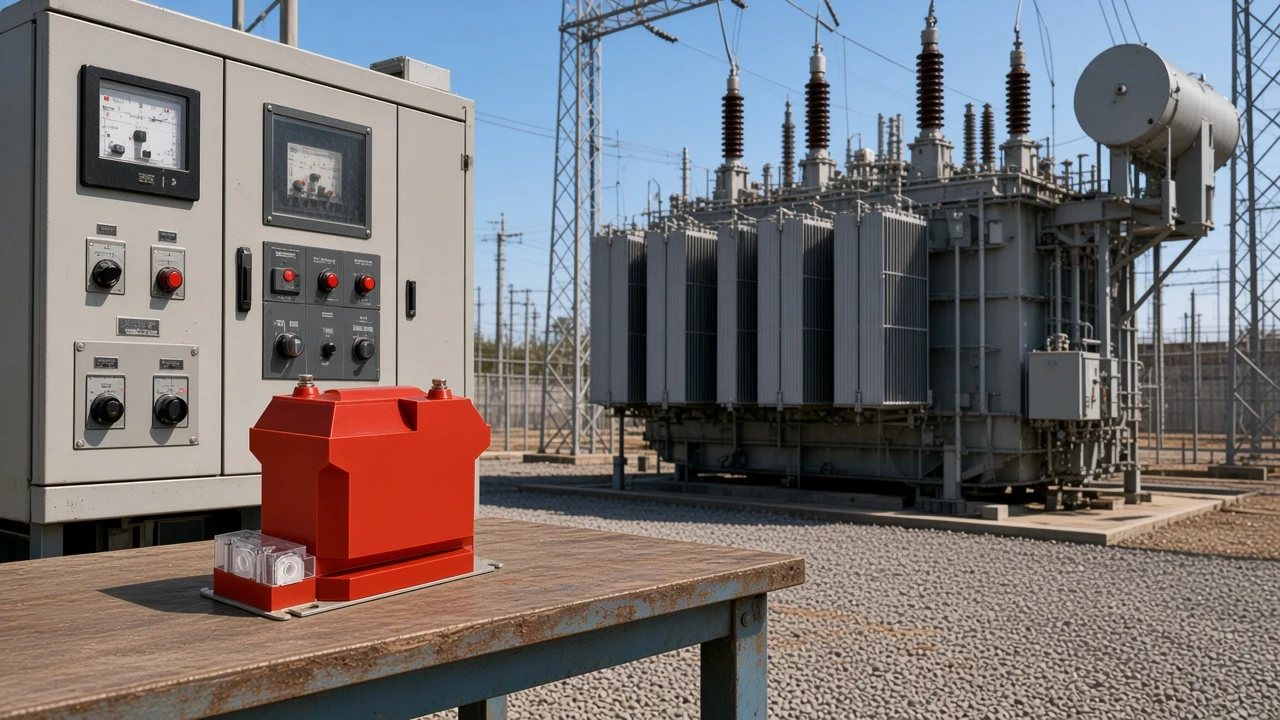
Control Power Transformers Are a Third Buy, Not a PT
A control power transformer feeds contactors and solenoids on inrush and has no accuracy class; keep it off the meter PT and off the plant power transformer.
Starter-panel coils need a burst of VA when they close. Voltage Disturbance sizes that box on continuous VA plus inrush, then notes the absence of an accuracy class.
A potential transformer is sized on VA burden and accuracy, and it is the wrong feed for coil inrush. Mixing the three boxes on one line item is how a metering cabinet ends up with a coil transformer, or a starter panel ends up with a fragile instrument.
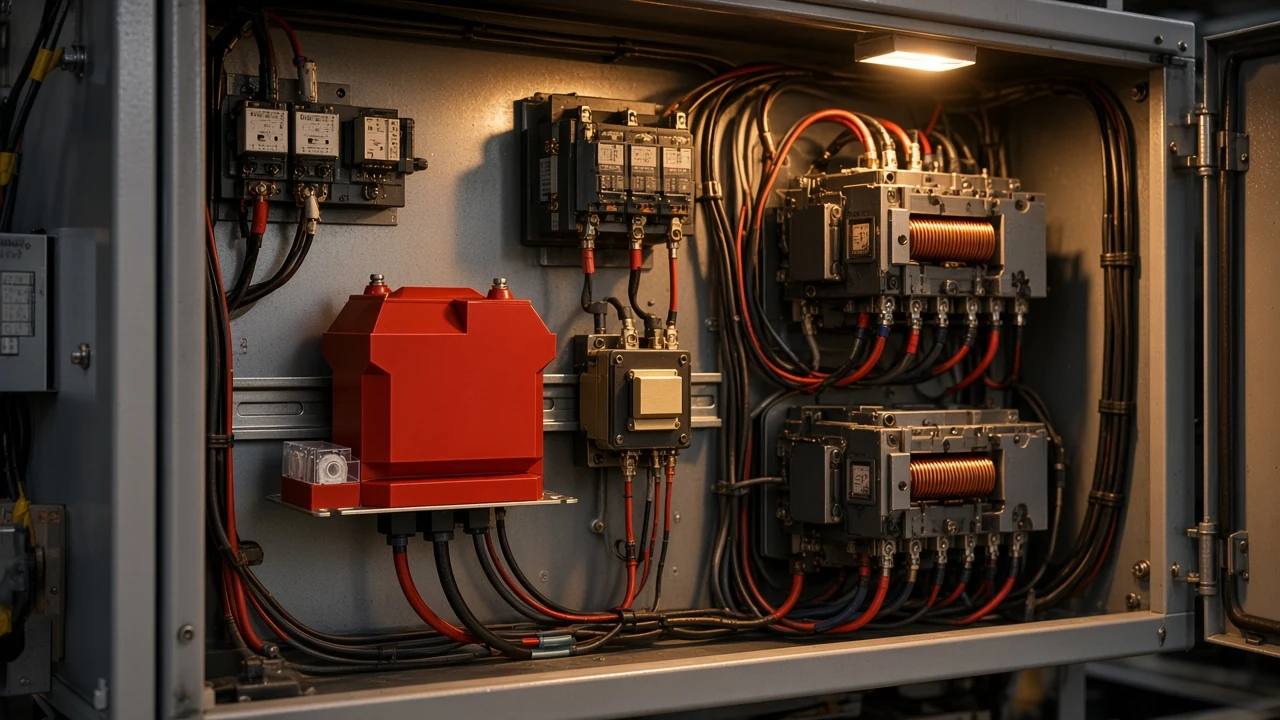
Current Transformers Answer a Different Question
A current transformer scales current in series; the comparison stays on PT/VT versus power transformer and points to the live CT buyers guide.
Search boxes and PAA often ask CT versus PT because both sit under instrument transformers. The current transformer copies current. The potential transformer copies voltage.
The live JOHNN post Current Transformer Metering and Protection: A Complete Buyers Guide already owns that series-device buy. Energy-efficient distribution-transformer shopping and box-type substation advantages already have their own posts as well.
Which Standards Name Voltage Transformers Versus Power Transformers
IEEE C57.13 names inductive voltage transformers for measuring instruments and protective devices; power transformers sit in a different IEEE C57 family.
IEEE C57.13 covers current and inductively coupled voltage transformers generally used in the measurement of electricity and the control of associated equipment. IEC 61869-3 applies to new inductive voltage transformers for use with electrical measuring instruments and electrical protective devices at frequencies from 15 Hz to 100 Hz.
Those catalog sentences name the class. They stop short of a JOHNN listing. Power-transformer design lives in the IEEE C57 family that talks about energy transfer and cooling modes, which IEEE Technav already contrasts with instrument-transformer accuracy.
Choose the JOHNN Hub That Matches the Meter Job Versus the Load Job
For indoor measurement and protection voltage-transformer work, open JDZ10-3, 6, 10(Q); the oil-immersed page is the contrasting power-transformer example.
The voltage-transformers hub lists the indoor families JDZ(J), JDZC, JDZ, JDZ10, and JDZX for voltage measurement and protection-signal conversion on switchgear, a metering cabinet, and distribution panels. The instrument-transformers hub is the parent class that also holds current transformers.
When the indoor panel is 3 kV, 6 kV, or 10 kV and the job is measurement or protection-signal conversion, the matching SKU is the JDZ10-3, 6, 10(Q) indoor voltage transformer. That page prints the 3000/100, 6000/100, and 10000/100 V ratios and the 15–200 VA outputs.
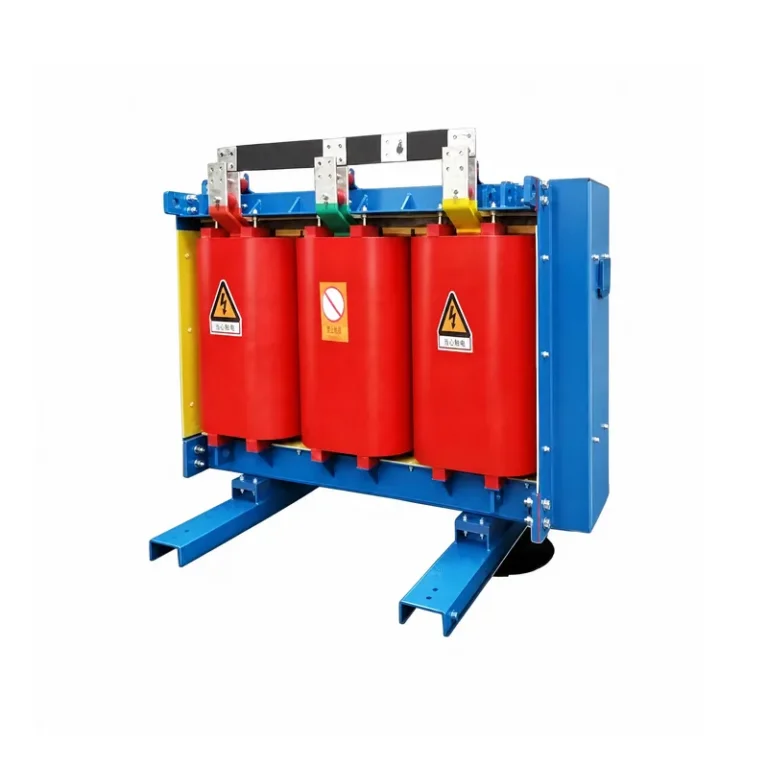
The transformers hub holds oil-immersed and dry-type energy-transfer units. The 35kV oil-immersed transformer page is contrast only: substations and plants, with the printed distribution transformer and power-transformer tables already named above.
Outdoor high-voltage work that uses a capacitive voltage transformer sits outside this indoor family. Coil inrush stays with the control power transformer. A current-transformer buy stays on the live CT guide.
FAQ
What is the difference between a potential transformer and a power transformer?
A potential transformer, also called a voltage transformer, presents a proportional secondary to meters and relays. A power transformer transfers load energy between voltage levels.
Is a potential transformer the same as a voltage transformer?
Yes. PT and VT name the same instrument job in this comparison. Voltage transformer is the clearer label when PT also gets read as power transformer.
Can a power transformer be used as a potential transformer for meters and relays?
No. The power unit is built for energy transfer, cooling, and regulation. A meter or relay voltage coil needs ratio and phase accuracy at a small burden, which is the instrument contract.
What is the difference between a potential transformer and a control power transformer?
A potential transformer is sized on burden and accuracy class for instruments. A control power transformer is sized on coil inrush for contactors and solenoids, and it has no accuracy class.
What is the difference between a current transformer and a potential transformer?
A current transformer scales current in series. A potential transformer scales voltage in shunt. That series-device buy belongs on the live CT buyers guide, not on this comparison.
What type of transformer is a potential transformer?
It is an instrument transformer — specifically a voltage transformer. It is the measuring family, beside a current transformer, rather than a power or distribution transformer.
Why must a potential-transformer secondary not be short-circuited?
The instrument runs at very light load into a high-impedance voltmeter or wattmeter pressure coil. A short on that secondary is a damage path, which Electrical Academia states the same way for any high-impedance device.
What is the difference between a CVT and a potential transformer?
A capacitive voltage transformer is a high-voltage way to obtain a voltage signal, often on transmission lines. The indoor electromagnetic unit on a switchgear panel does the same instrument job at medium voltage.
References
- IEEE Technav — Voltage transformers.
- IEEE Technav — Instrument transformers.
- IEEE Technav — Power transformers.
- IEEE C57.13 — Standard Requirements for Instrument Transformers.
- IEC inductive voltage transformers.
- Voltage Disturbance — Difference between control power transformer and potential transformer.
- Electrical Academia — Special transformers and applications.
- Physics Forums — Using wattmeter with current transformer.