
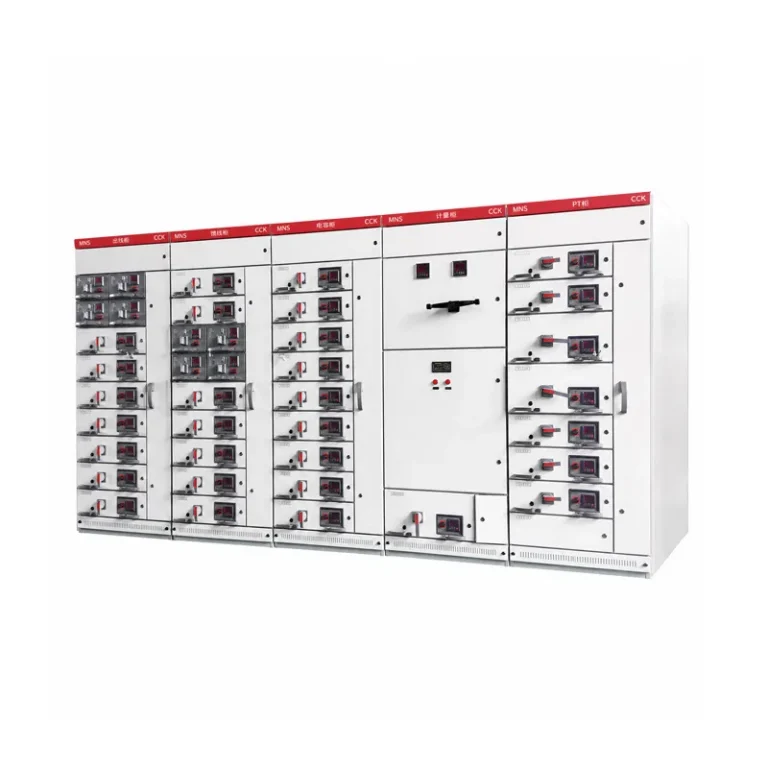
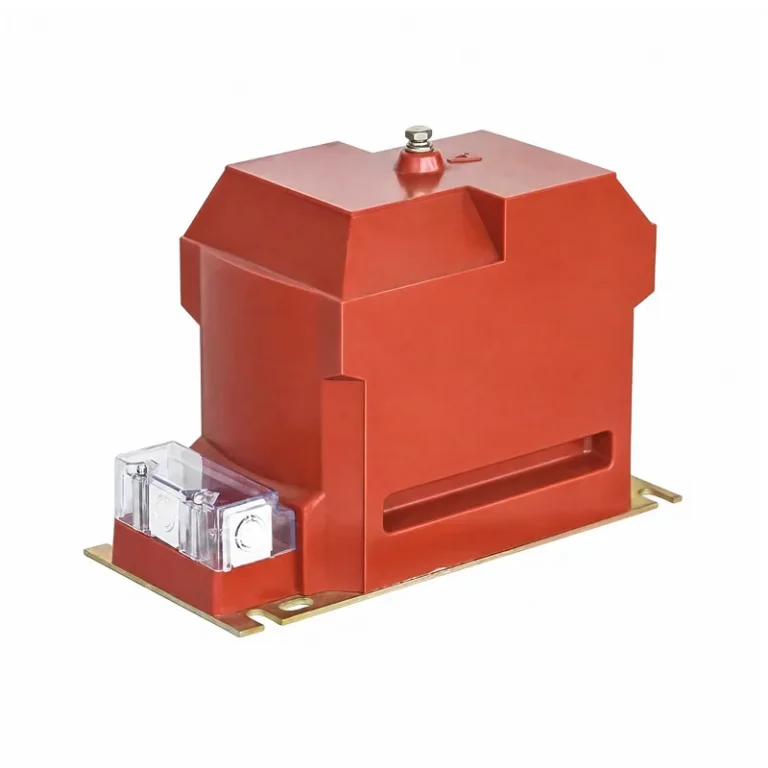
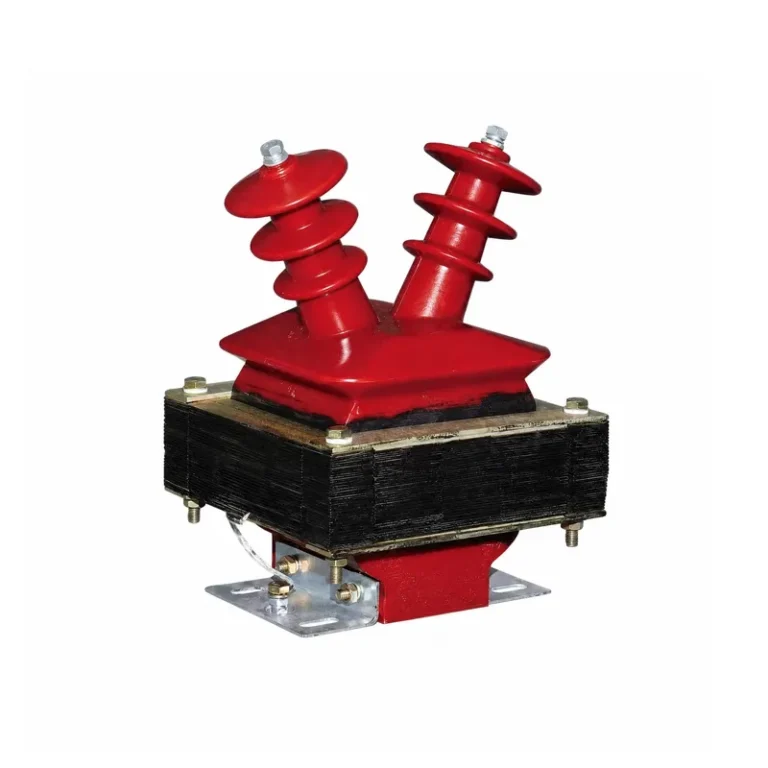
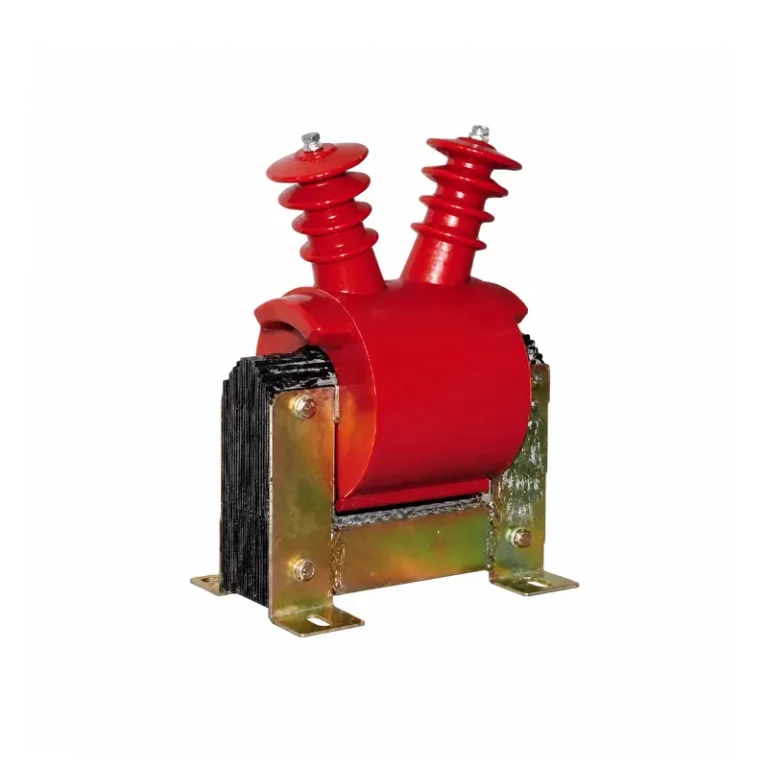
The difference between instrument transformer and power transformer is a job split: an instrument transformer scales current or voltage for meters and protective devices under accuracy and burden limits, while a power transformer moves bulk energy and changes voltage levels under thermal and cooling limits. Buyers should not treat a CT or VT as an energy-delivery unit, or load an instrument transformer like a power transformer.
The sections below open on that shared-physics confusion, then walk a decision table, rating basis, construction cues, the CT/VT family note, buyer checks, and one indoor current-transformer pathway with the transformers hub as energy-transfer contrast.
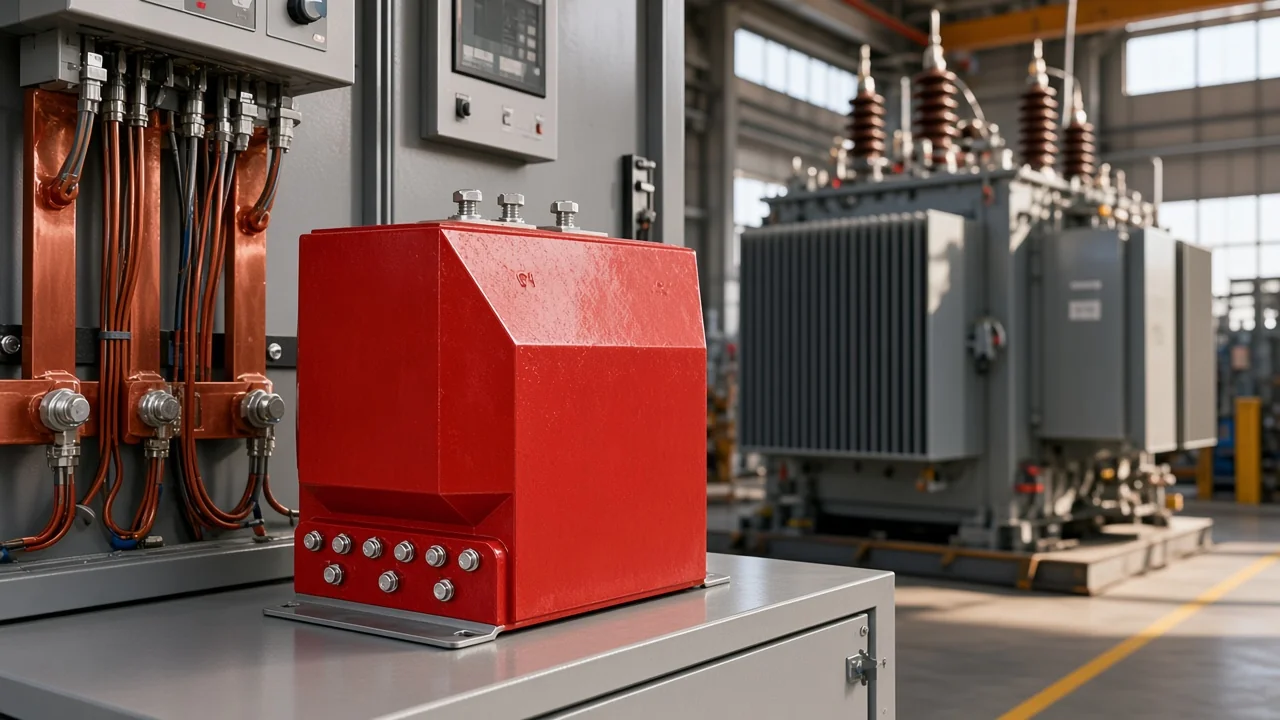
Instrument and power transformers share physics, not the same job
Same induction idea, different purpose: signals for meters and relays versus bulk energy and voltage change.
An instrument transformer is optimized to reproduce primary current or voltage as standardized secondary signals for meters, relays, and control. In plain language, it is a measuring and protection signal device, not a bulk power unit.
A power transformer is optimized to transfer bulk electrical energy while changing voltage levels. In plain language, it is the energy-delivery unit that steps voltage for the network.
Both use coupled windings. The BOM mistake is treating every “transformer” line as the same object when one row feeds a meter and another row feeds a plant load.
Isolation / galvanic isolation keeps secondary instruments and operators away from high primary voltages and currents. That isolation is part of the signal job, not a reason to hang a CT or VT in place of an energy-transfer tank.
From the field: Current transformers and voltage transformers are measuring devices, not power-delivery devices—so treating a CT or VT as a bulk energy unit answers the wrong purchase question.
When to specify an instrument transformer or a power transformer
Choose instrument transformers for metering and protection signals under burden; choose power transformers for energy transfer and voltage conversion.
If the drawing needs a proportional current or voltage copy for meters, relays, or monitoring, specify an instrument transformer. If the drawing needs bulk voltage conversion or energy delivery across the network, specify a power transformer.
| Topic | Instrument transformer | Power transformer |
|---|---|---|
| Purpose | Metering, protection, and monitoring signals | Bulk energy transfer and voltage-level change |
| Rating basis | Accuracy under stated secondary burden | Temperature rise and continuous delivery |
| Capacity tendency | Low secondary VA for instruments and relays | High kVA / MVA thermal loading |
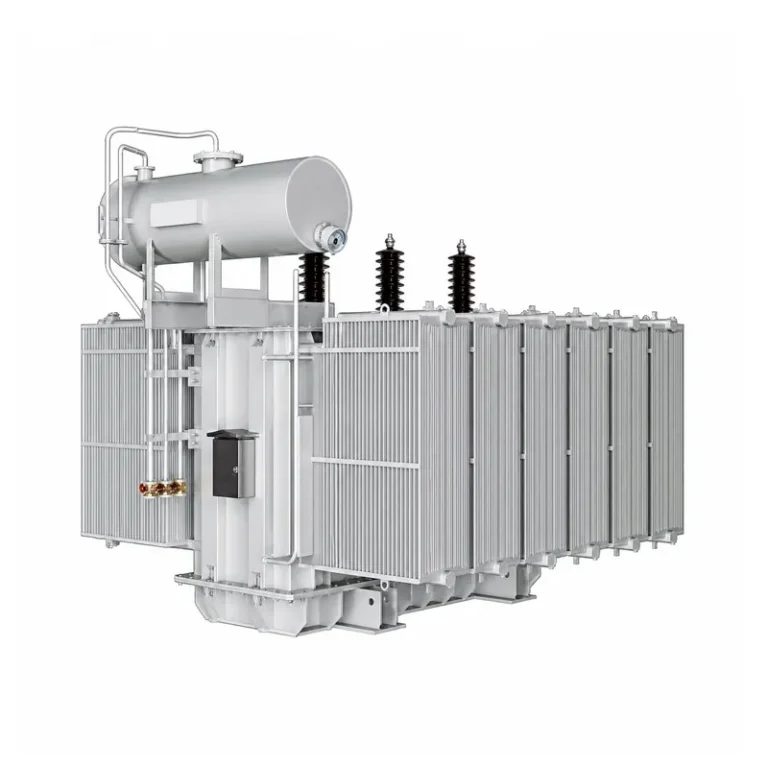
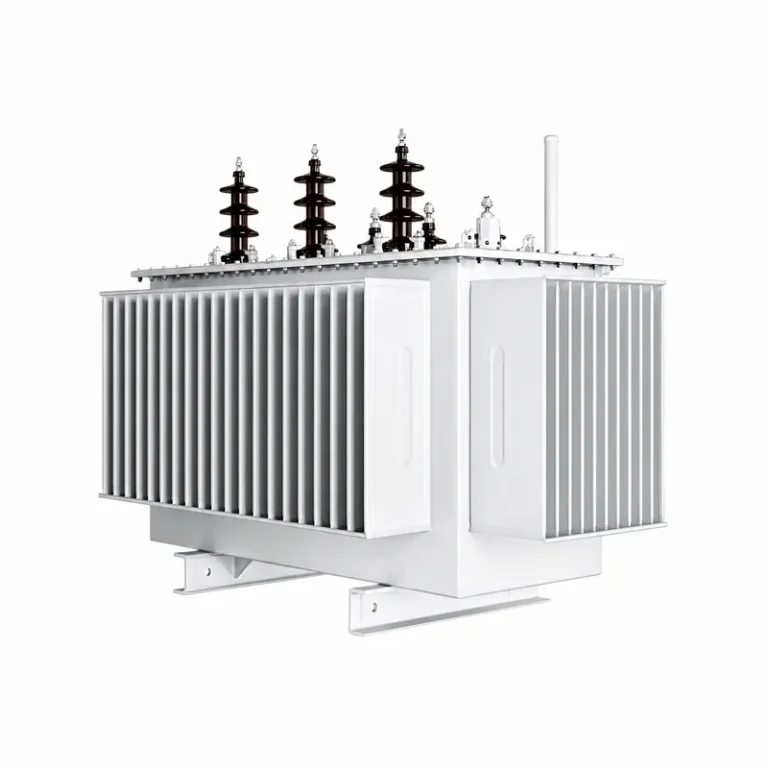
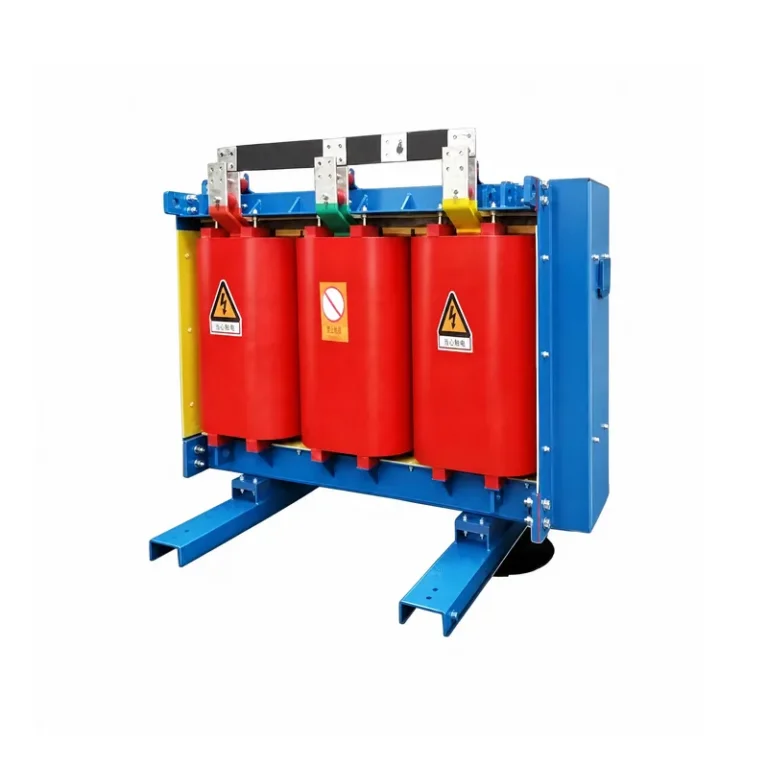
| Cooling cues | Compact natural cooling around signal duty | Larger tanks, forced cooling, or conservator-style thermal management |
| When to choose | Need accurate secondary signals with isolation | Need energy delivery between voltage levels |
Policy language used for energy-transfer product rules often treats instrument transformers that only feed meters and protective devices as a different product job from power transformers. Catalog hubs follow the same split: signal families stay with instrument transformers; energy-transfer families stay with power and distribution units.
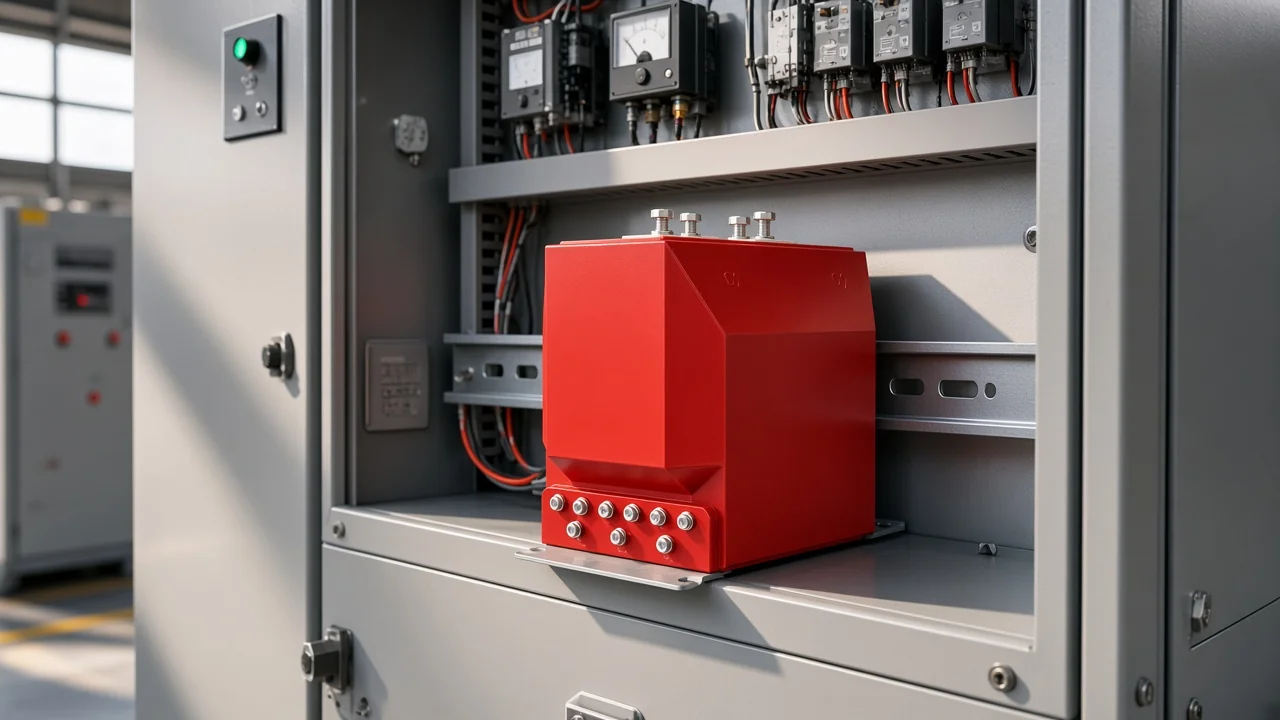
Buyers asking what is a power transformer in this decision mean the energy-transfer unit that changes voltage while moving load power—not a synonym for every transformer printed on a bill of materials.
How burden and accuracy differ from thermal loading
Instrument transformers are limited by accuracy under stated secondary burden; power transformers are limited by temperature rise and continuous delivery.
On the secondary, burden means the VA load of meters and relays attached to the instrument transformer. Accuracy class stays meaningful only inside the burden range used for that class.
Metering class and protection class are different jobs. IEC 61869 education frames measuring units around accuracy near rated conditions and protective CTs around usable behavior at high fault currents, with the class valid only within defined burden ranges.
Ratio / phase-angle error is how far the secondary copy drifts from the primary signal. That drift grows when the secondary instruments pull more VA than the stated burden allows.
Important: Exceeding CT secondary burden can destroy linearity and accuracy—saturation hurts the very signal the relay or meter needs.
Thermal limits, not burden class, bound a power transformer. Its continuous limit is temperature rise / cooling while it delivers energy. Loading a power unit harder for more kVA is a thermal conversation; overburdening an instrument transformer is an accuracy and safety conversation.
Construction and cooling cues buyers can recognize
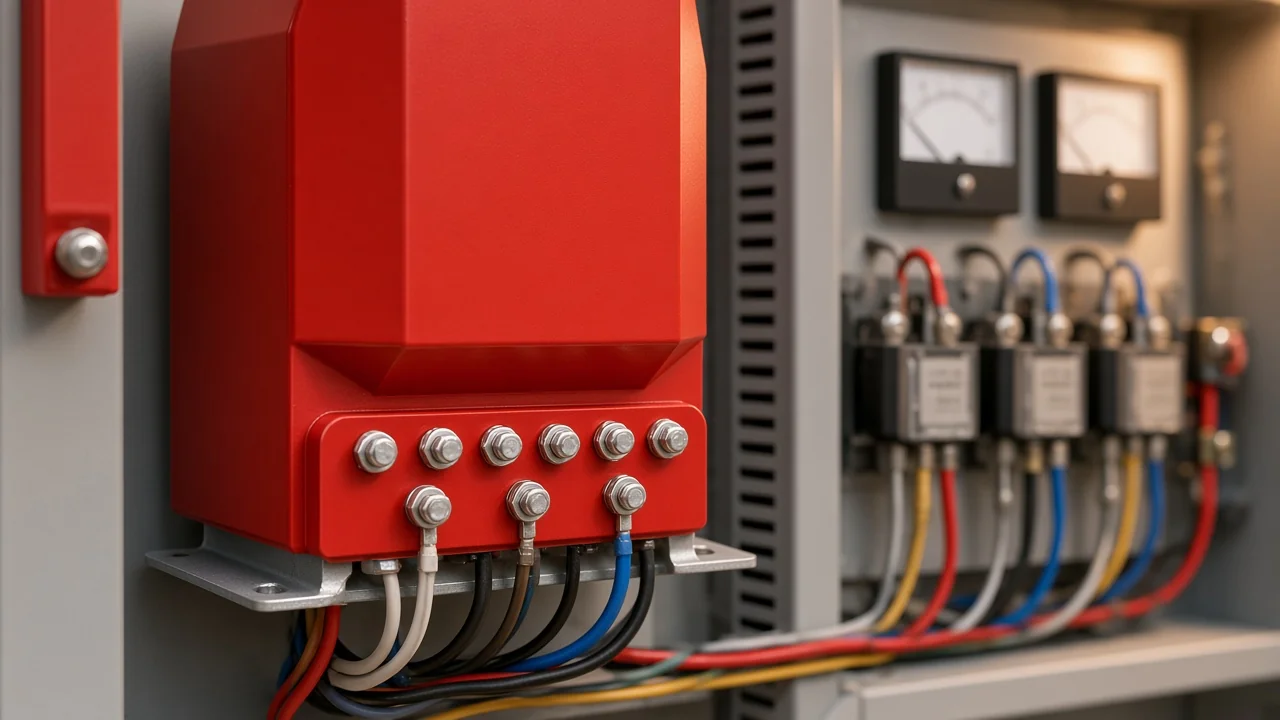
Power units often show larger tanks, cooling, and conservator-style thermal management; instrument units stay compact around CT and VT signal duty.
Walk a yard or switchgear aisle and the size cue is often obvious. Energy-transfer equipment carries oil or dry cooling arrangements sized for continuous delivery. Instrument transformers stay compact because they only drive meters and relays.
Conservator tanks and forced cooling language show up around large power units. Indoor epoxy current transformers and compact voltage transformers show up around metering cabinets and switchgear cubicles.
Those cues help a buyer sort a photo or a catalog thumbnail before the rating tables open. They do not replace the purpose and rating checks above.
How current and voltage transformers fit the instrument family
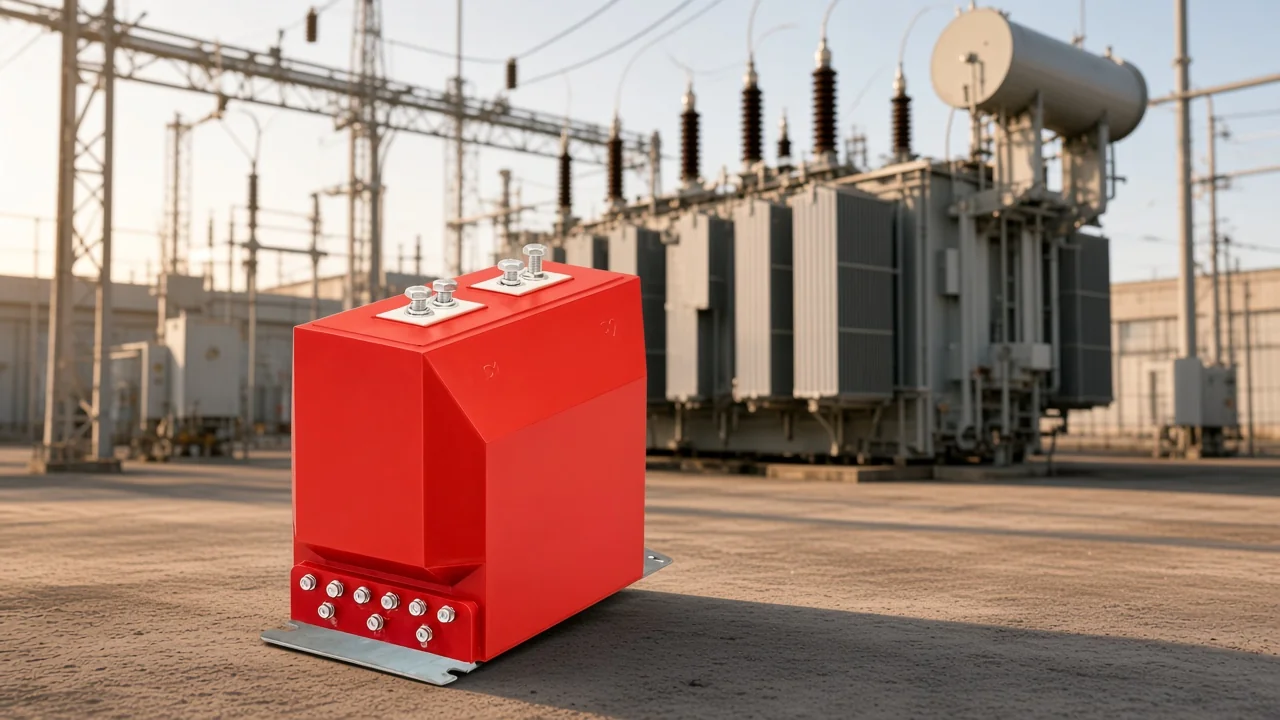
Instrument transformers usually means a CT for current or a VT/PT for voltage; deep current-versus-voltage selection belongs in its own published post.
A current transformer (CT) is the series instrument transformer that scales primary current for metering and protection. A voltage / potential transformer (VT/PT) is the shunt instrument transformer that scales primary voltage for the same meter and relay world.
Both sit under the instrument transformer class. Neither is a power transformer that moves bulk energy.
For the series-versus-shunt buy in detail, see current transformer vs voltage transformer. For the voltage-instrument versus energy-transfer buy, see difference between potential transformer and power transformer. Keep the instrument-versus-power duty decision here before you open those sibling walks.
Buyer checks before you order the signal path
Match metering versus protection class, stay inside rated burden, and never leave an energized CT secondary open.
Before you freeze a signal-path order, check these points:
- Confirm the job is metering, protection, or monitoring signals—not bulk voltage conversion.
- Match metering class or protection class to the duty, and keep the connected instruments inside the stated secondary burden.
- Keep a CT secondary closed on a proper burden while the primary is energized; an open CT secondary can build dangerous voltage.
- Confirm ratio and phase-angle needs with the meter or relay manufacturer data, not with a power-transformer kVA table.
- If the missing quantity is voltage rather than current, open a voltage-transformer path instead of forcing a CT into that seat.
Community burden threads make the same point from the field: push the secondary VA too high and the CT saturates, so the copy of fault or inrush current is no longer trustworthy.
Which JOHNN current transformer fits metering and protection duty
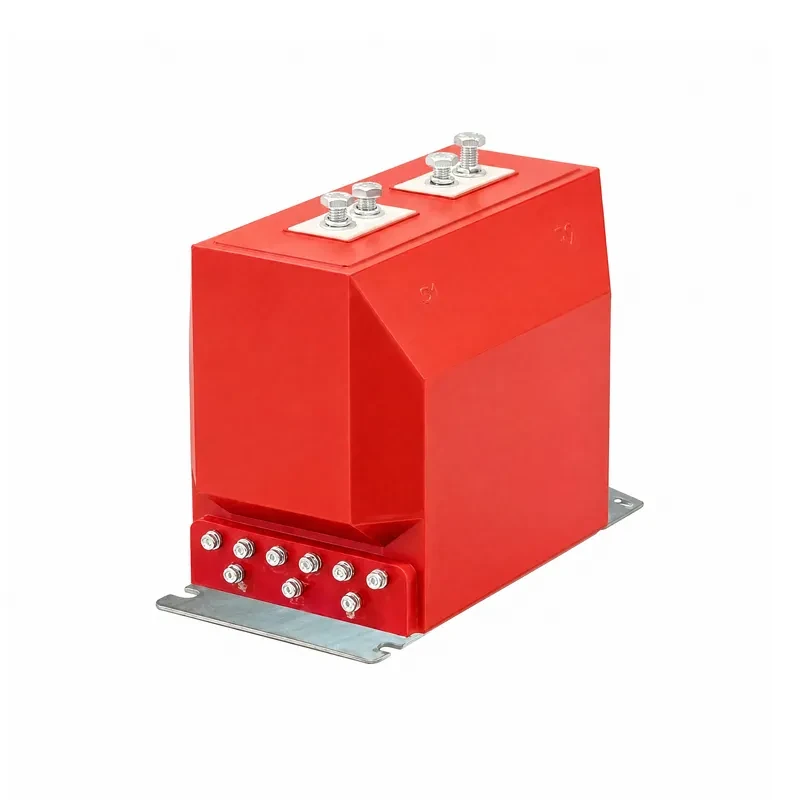
LZZBJ9-10C1 indoor current transformer for measurement and protection signal conversion; use the transformers hub when the need is bulk voltage conversion.
When the project needs accurate current measurement and protection signal conversion on indoor medium-voltage switchgear, metering cabinets, or distribution panels, open the LZZBJ9-10C1 current transformer. The LZZBJ9-10C1 page publishes measurement and protection signal conversion with metering and protection accuracy-class combinations such as 0.2S/10P10, 0.5S/10P10, 0.2/10P10, and 0.5/10P10, plus secondary VA columns for those duties.
| Path | Open when | Next step |
|---|---|---|
| Signal / metering-protection | Need proportional current signals under published accuracy-class and secondary VA language | LZZBJ9-10C1 current transformer, then browse the Instrument transformers hub |
| Energy-transfer | Need bulk voltage conversion or energy delivery | Transformers hub |
The Instrument transformers hub is the parent path for indoor and outdoor CT and VT families used for measurement and protection signal conversion. The Transformers hub is the contrast path for oil-immersed and dry-type energy-transfer units.
Prefer outdoor CT family pages when feeder or pole-mounted duty dominates indoor switchgear placement. Prefer a voltage transformer page when the missing quantity is voltage rather than current. Prefer multi-winding indoor CT siblings when the project needs additional cores beyond this primary pick.
Review the LZZBJ9-10C1 accuracy-class and secondary output columns against the project’s metering and protection duty, then continue on the Instrument transformers hub or the Transformers hub as the drawing requires.
FAQ
What is the difference between an instrument transformer and a power transformer?
An instrument transformer creates accurate metering and protection signals under a stated burden; a power transformer moves bulk energy and changes voltage levels under thermal limits. Shared induction physics does not make them the same purchase.
What is the purpose of an instrument transformer?
Its purpose is to scale high primary current or voltage into standardized secondary signals for meters, relays, and monitoring, while isolating those instruments from the primary circuit.
How is an instrument transformer rated differently from a power transformer?
Instrument transformers are rated around accuracy under secondary burden. Power transformers are rated around continuous power delivery and temperature rise.
What are CT and PT/VT in this comparison?
CT means current transformer; PT or VT means potential or voltage transformer. Both are instrument-transformer families—one for current signals, one for voltage signals—not energy-transfer power transformers.
Can I use a power transformer as a metering CT/VT?
No. A power transformer is built for energy delivery and voltage conversion, not for the accuracy-class and burden contract meters and relays need.
Why does secondary burden matter on an instrument transformer?
Accuracy class is verified inside a stated burden range. Exceeding that burden can saturate a CT and destroy the linearity the meter or relay depends on.
Should a CT secondary be left open?
No. An energized CT secondary should stay closed on a proper burden; leaving it open can create dangerous voltage and damage risk.
Which JOHNN product fits after I choose the instrument-transformer job?
For indoor medium-voltage current measurement and protection signal conversion, start with the LZZBJ9-10C1 current transformer, then browse the Instrument transformers hub for related CT and VT options. Use the Transformers hub when the real need is bulk voltage conversion.
References
- ElectricalVolt — Difference Between Instrument Transformer and Power Transformer
- TutorialsPoint — Difference Between Instrument Transformer and Power Transformer
- EEEGuide — Instrument Transformers: Definition, Types, and Errors
- USBR — Transformers (technical manual PDF)
- ZERA — Instrument transformer standards overview
- EU Ecodesign — Power transformers product scope
- TestGuy wiki — Instrument transformers types and testing at a glance