
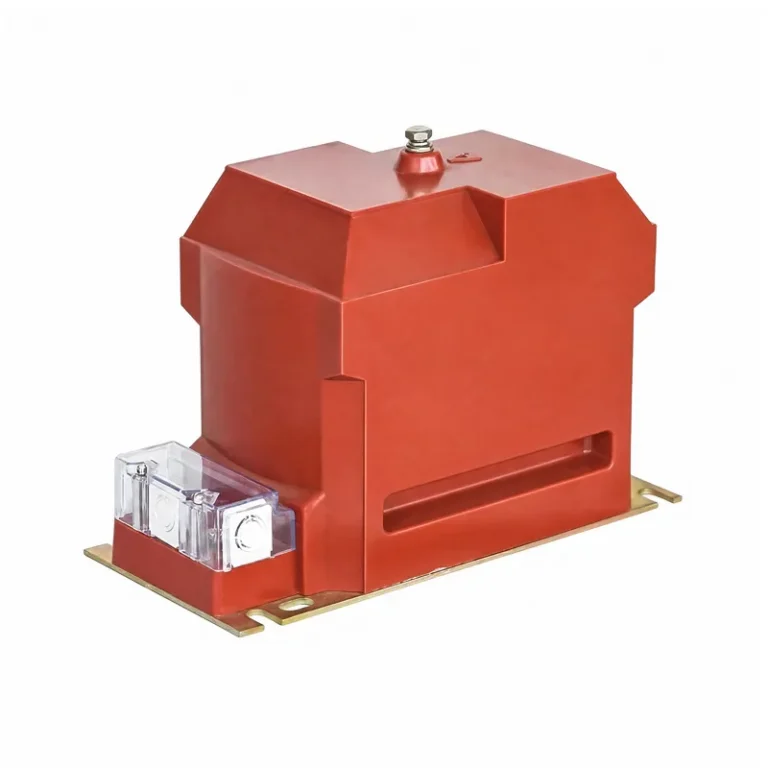
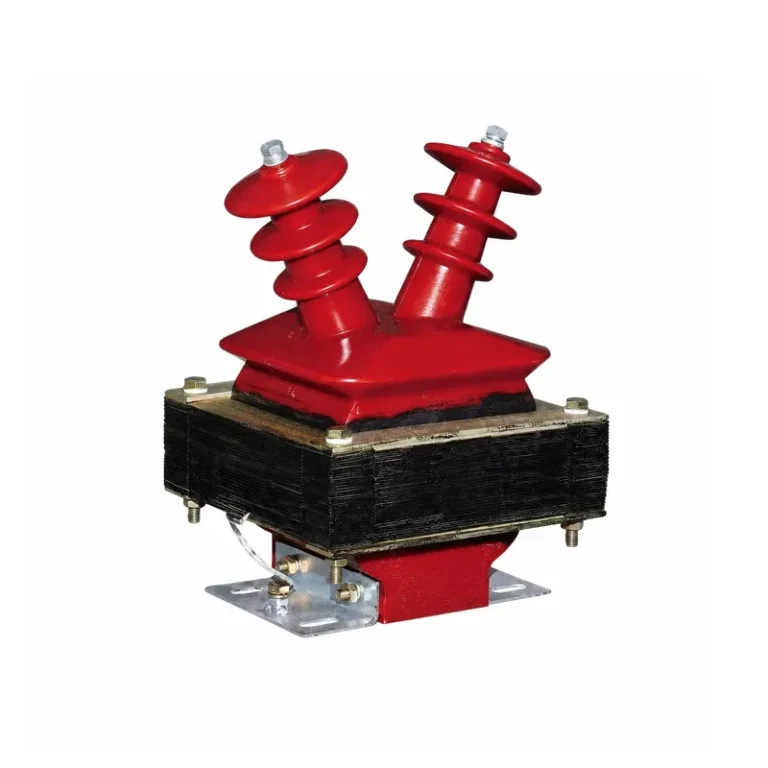
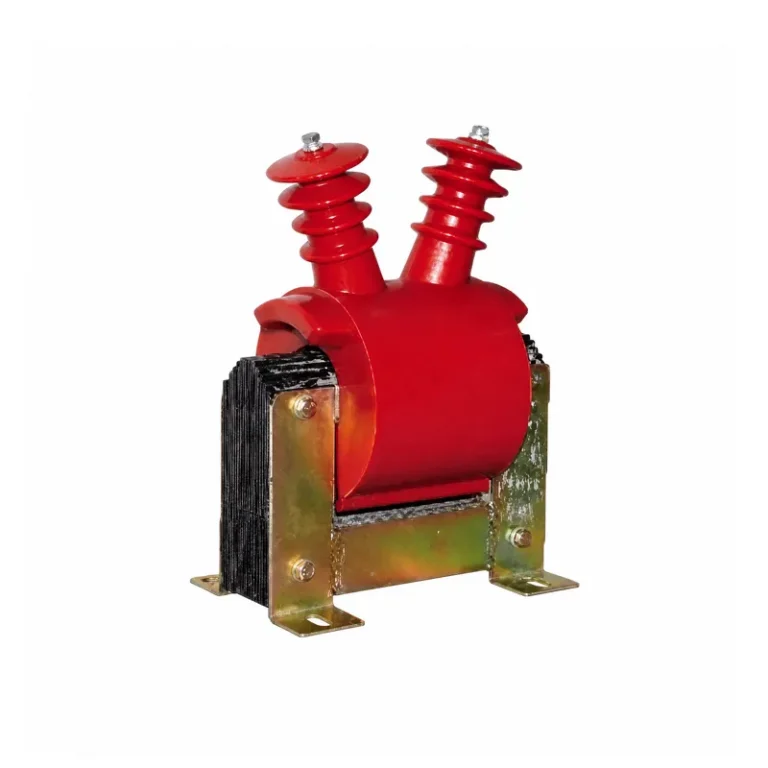
you manage a facility, plan a solar project, or specify equipment for a utility, you may have seen the term “energy efficient transformer” and wondered whether it actually matters for your bottom line. The short answer is yes — and the difference is measurable. A standard distribution transformer wastes 3–5% of the power passing through it, and because these units run 24 hours a day for decades, even a small reduction in loss translates into real money. An energy efficient distribution transformer is designed to waste less of that power, and for most buyers, the question is not whether to choose one, but how to choose the right one.
What Makes a Distribution Transformer “Energy Efficient”?
A distribution transformer steps voltage down from the grid to a level that buildings and equipment can use. Every transformer loses energy in two ways: no-load loss (also called core loss, which occurs whenever the transformer is energized, even with no load) and load loss (also called coil loss, which varies with how much power the transformer is actually delivering). An energy efficient distribution transformer is one engineered to minimize both types of loss beyond the minimum regulatory baseline.
Since 2007, the U.S. Department of Energy has set mandatory conservation standards for medium-voltage liquid-immersed distribution transformers, and the most recent final rule, published in April 2024, adopts amended standards for units manufactured on or after April 23, 2029. In the European Union, the Ecodesign Tier 2 requirements have applied since July 2021, pushing minimum efficiency even higher. When buyers ask for “energy efficient” units, they are typically asking for transformers that go above these baselines — often by a meaningful margin.
Types of Energy-Efficient Distribution Transformers
The two main categories differ in how they cool the core and coils, and that choice affects where you can install them and how much maintenance they require.
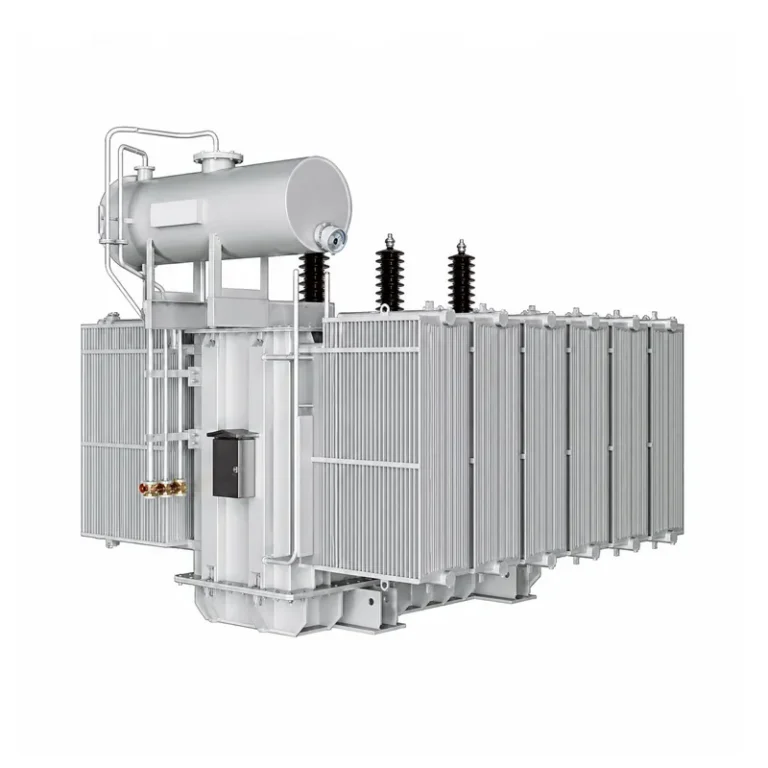
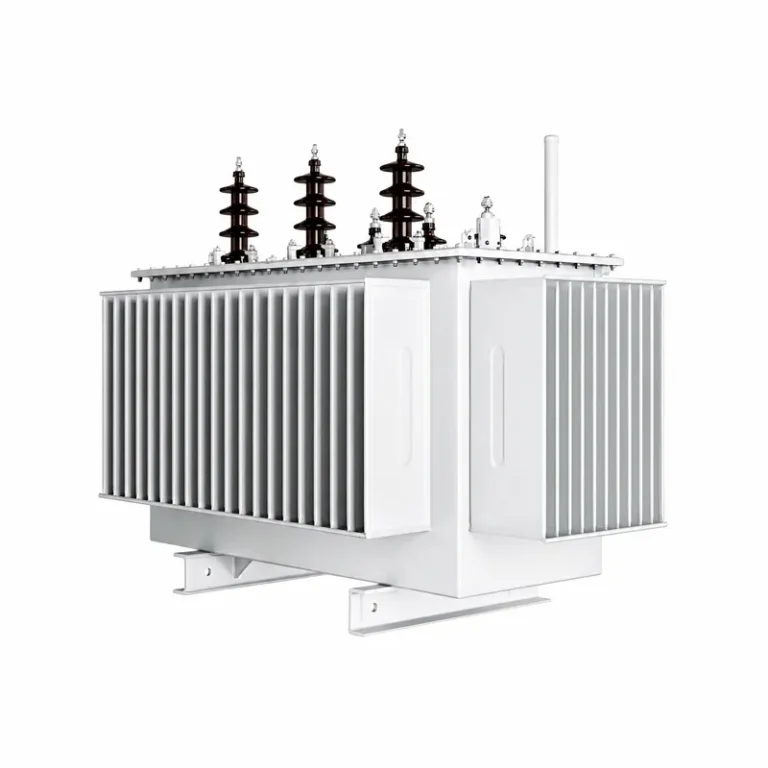
Liquid-immersed transformers submerge the core and coil assembly in insulating oil. They are the workhorse of outdoor utility distribution, available from roughly 10 kVA to 2500 kVA, with input voltages up to 34.5 kV and output voltages of 600 V or less. Oil cooling is efficient and extends service life, but these units require leak containment and are generally limited to outdoor or vault applications.
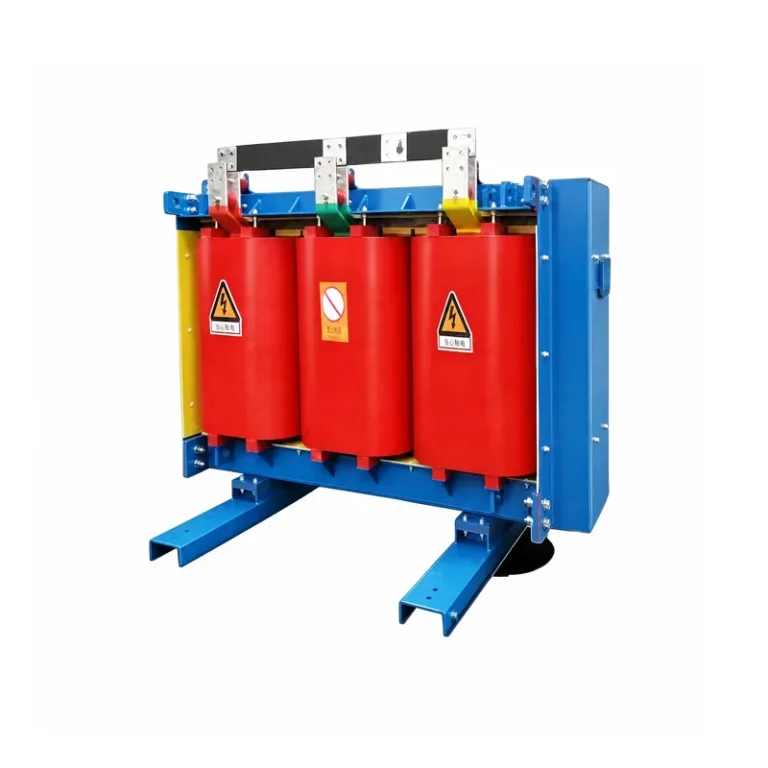
Dry-type transformers use air or a dry compound rather than oil. They are common inside commercial buildings, data centers, hospitals, and industrial plants where fire risk or oil containment is a concern. Low-voltage dry-type units have input voltages of 600 V or less, while medium-voltage dry-type units can handle primary voltages from 601 V up to 34.5 kV. Modern dry-type designs can achieve efficiency levels competitive with liquid-immersed units, though the specific numbers depend on kVA rating and load profile.
Functions of Energy-Efficient Distribution Transformers
The core function is unchanged: convert higher distribution voltage to a usable lower voltage. What changes with an efficient design is how well the transformer performs that function under real-world conditions.
Because distribution transformers are energized continuously, reducing no-load loss is especially valuable. Amorphous metal core transformers, for example, can cut core loss by 70–80% compared with conventional silicon steel designs, because the amorphous alloy has much lower hysteresis and eddy current losses. That matters most in applications with low or intermittent loading — solar farms, backup systems, and facilities with large seasonal swings — where the transformer spends much of its time lightly loaded but still drawing core loss.
Load loss reduction is equally important for transformers that run near capacity. Using lower-loss winding designs and better core materials, manufacturers can reduce total losses by 10–40% compared with standard-efficiency units. In practical terms, that means a transformer that runs cooler, degrades more slowly, and costs less to operate over its 20–30 year service life.
Advantages of Energy-Efficient Distribution Transformers
The most direct advantage is lower electricity cost. A case study of a 1600 kVA distribution transformer found that replacing conventional silicon steel core material with laser-etched steel reduced no-load losses by 43%, saving approximately 7,340 kWh per year per unit and avoiding roughly 145 tons of CO₂ over 30 years. For a facility with multiple transformers, those savings compound quickly.
Lower losses also mean lower heat generation, which reduces stress on insulation and can extend transformer life. In practice, an efficient transformer often runs 10–15°C cooler than a comparable standard unit under the same load, which slows insulation aging and lowers the probability of premature failure.
There is also a procurement advantage. Utilities and large buyers increasingly evaluate transformers using total owning cost (TOC) rather than purchase price alone. TOC adds the capitalized cost of no-load and load losses to the initial price, so a higher-priced efficient unit can actually be the lowest-cost option over its lifetime[reference:9]. For buyers who plan to own and operate the transformer for its full service life, the math usually favors efficiency.
How to Choose the Right Unit
Start with your load profile. A transformer that will run at 20–30% capacity most of the time benefits disproportionately from low no-load loss, which points toward amorphous core or high-grade silicon steel designs. A transformer that will run near 70–80% capacity benefits more from low load loss, which often means a larger copper cross-section or a design optimized for the expected loading pattern.
Next, confirm the applicable efficiency standard for your market. In the U.S., the April 2024 final rule sets compliance for units manufactured on or after April 23, 2029, so any transformer ordered today for delivery after that date must meet the new thresholds. For export projects, check whether the destination country follows DOE levels, EU Tier 2, or a national standard, and specify accordingly.
Finally, ask for loss data at your expected load point, not just nameplate efficiency. A transformer rated at 99% efficiency at 50% load may perform very differently at 30% or 70% load. The most useful specification is the tested no-load loss and load loss in watts, which lets you calculate TOC for your specific application.
FAQ
What functions does an energy-efficient distribution transformer have?
It performs the same voltage step-down function as any distribution transformer, but with lower core and coil losses. In practical terms, that means it delivers more of the input power to the load, runs cooler, and generates fewer emissions per unit of delivered energy.
What are the benefits of energy-efficient distribution transformers?
Lower energy bills, reduced heat and insulation stress, longer service life, and lower total owning cost over the transformer’s lifetime. For facilities with high electricity prices or long operating hours, the savings can be substantial.
Why choose an energy-efficient distribution transformer?
Because the purchase price is only part of what you pay. Over 20–30 years, the cost of losses often exceeds the initial equipment cost. Choosing an efficient unit is a straightforward way to reduce operating expenses and meet sustainability targets without changing your electrical infrastructure.
An energy efficient distribution transformer is not a niche product — it is increasingly the default specification for buyers who look beyond first cost. The key is matching the efficiency level to your actual load profile and the regulatory timeline for your market. If you specify loss data, confirm the applicable standard, and evaluate total owning cost rather than sticker price, you will end up with a transformer that pays for its efficiency premium many times over.