
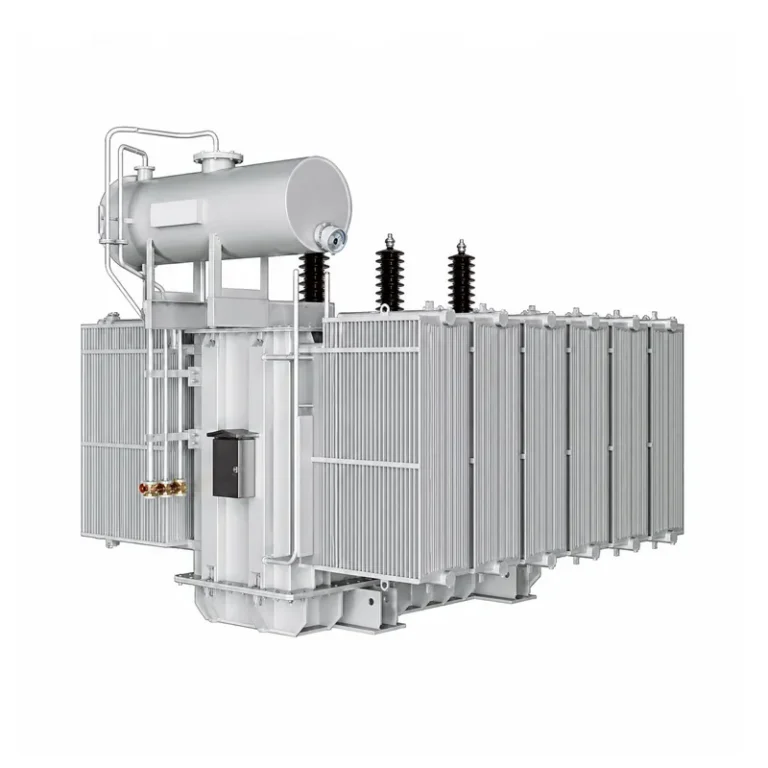
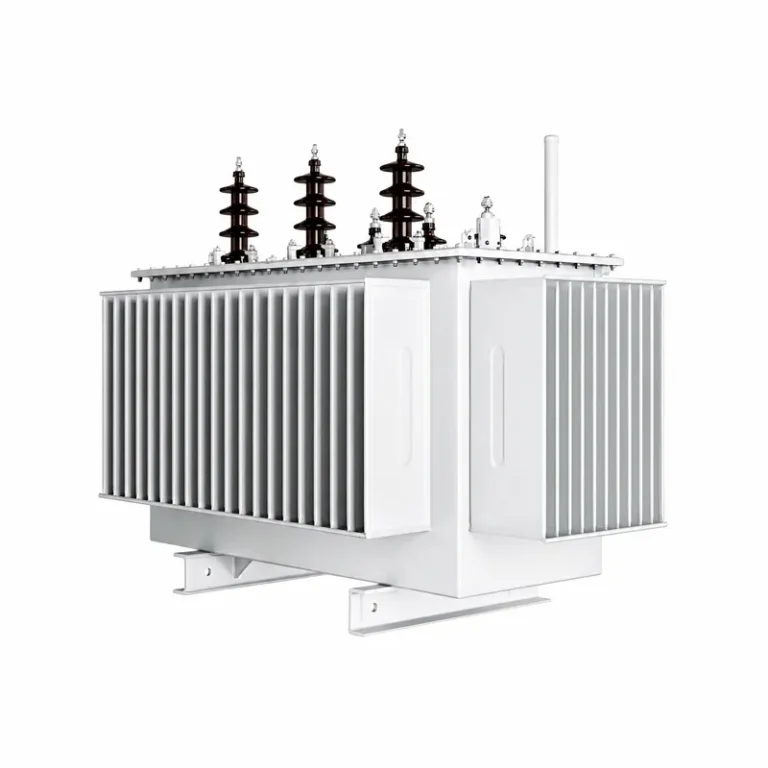
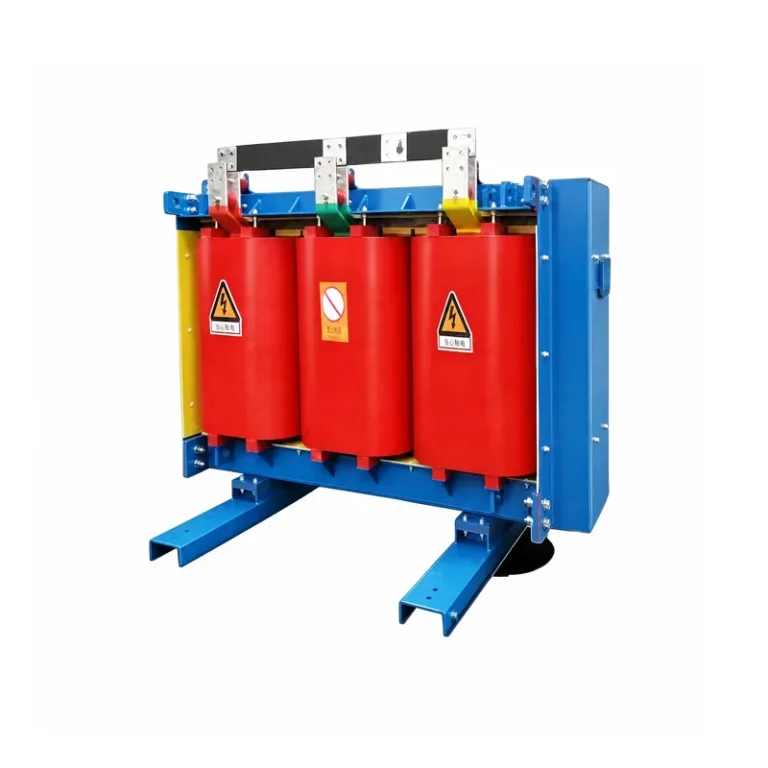
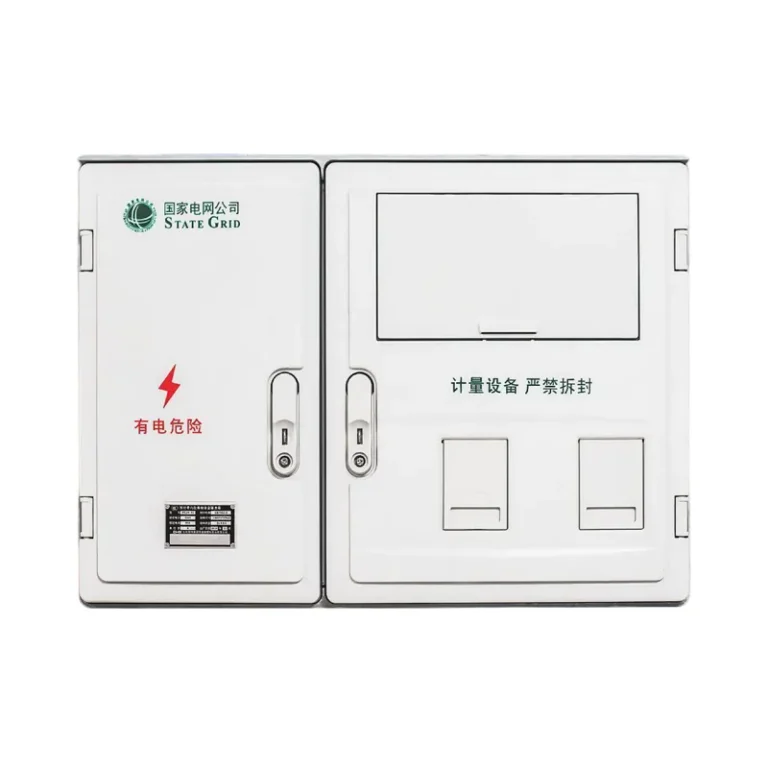
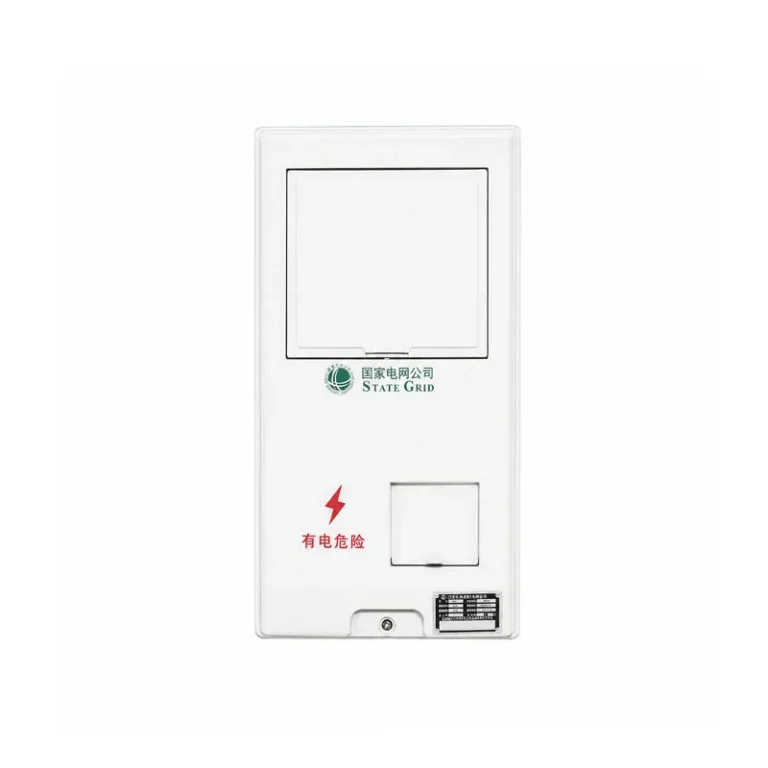
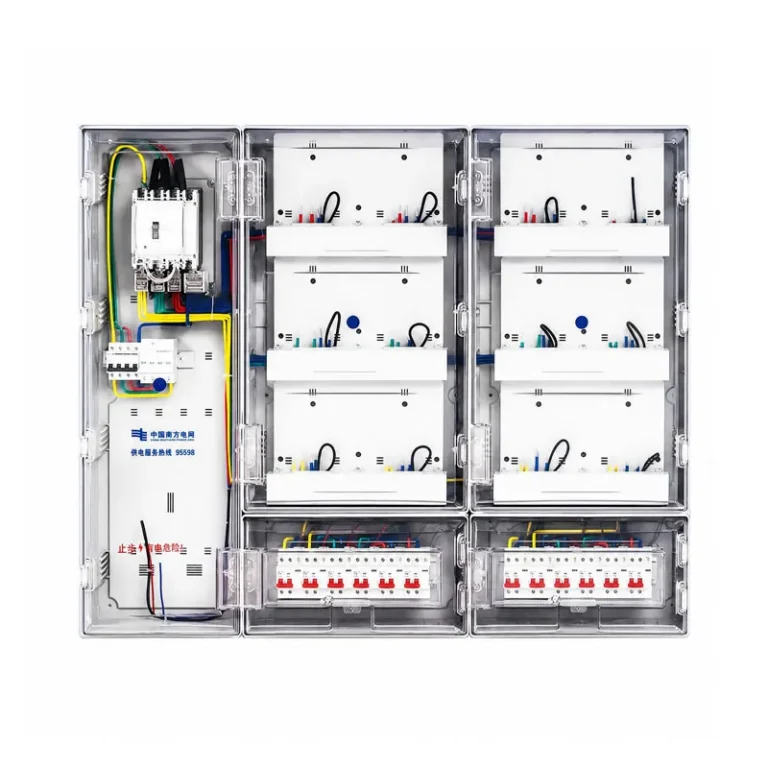
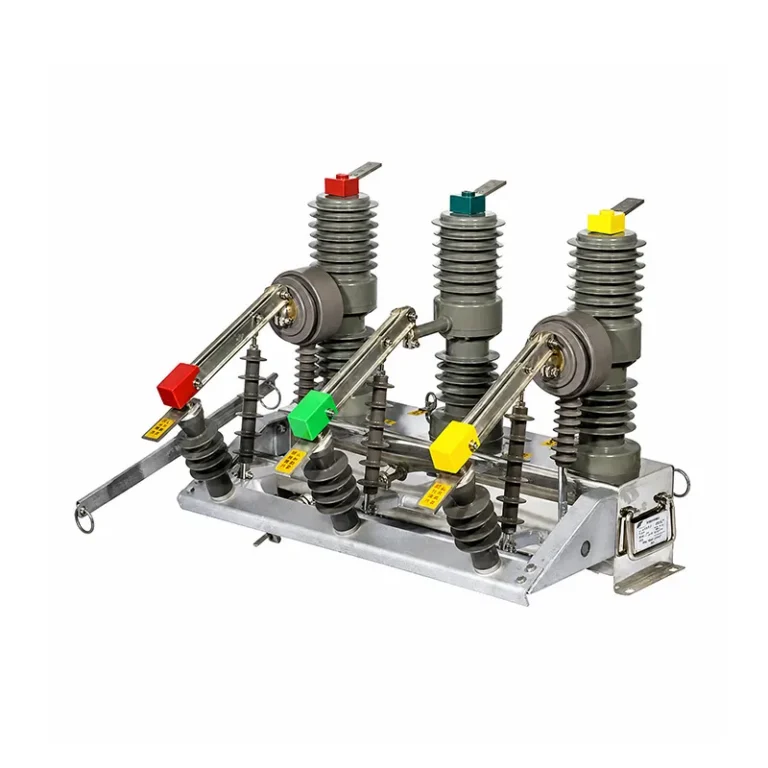
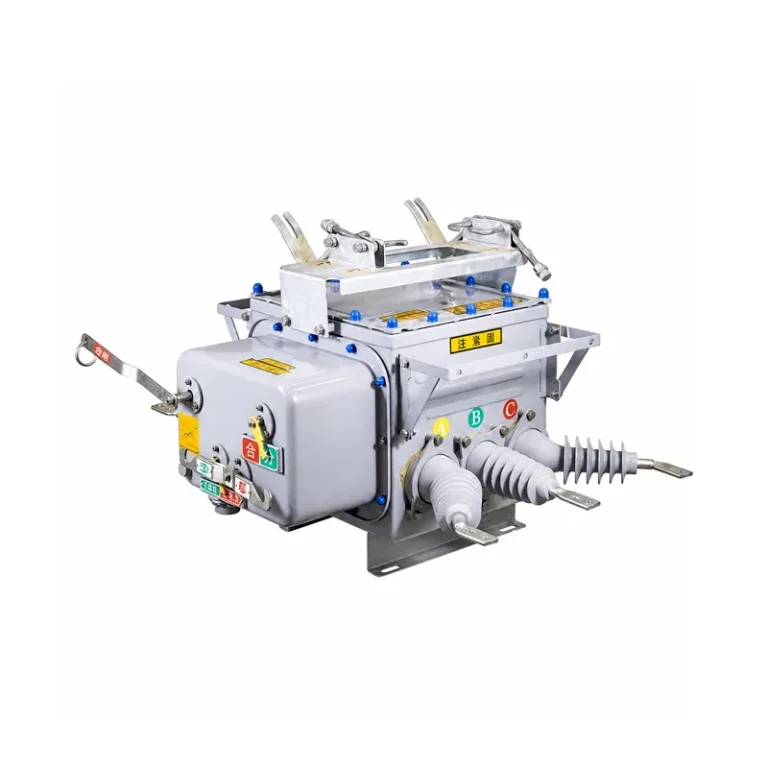
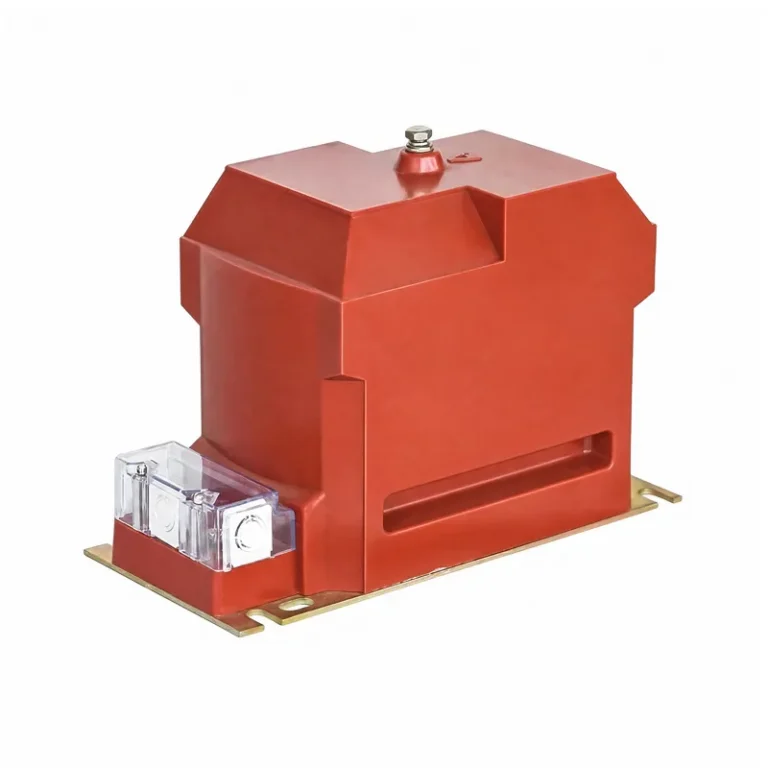
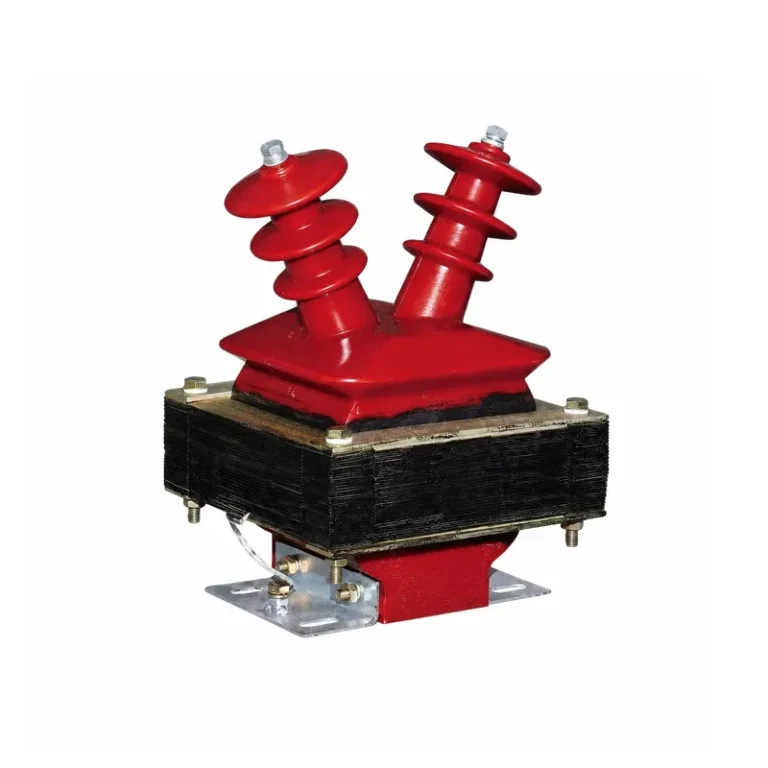
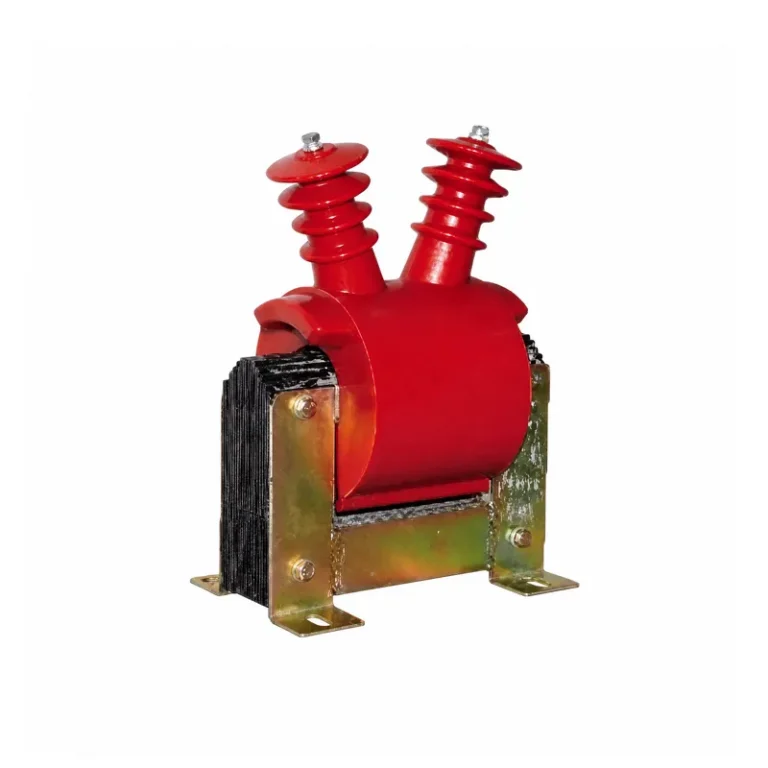
A box-type substation (also called a box type substation or prefabricated substation) is a compact, factory-assembled power distribution unit that integrates high-voltage switchgear, a distribution transformer, and low-voltage distribution equipment within a single weatherproof enclosure. Unlike traditional brick-and-mortar substations, these units are pre-built and pre-tested in a controlled factory environment, then transported to the site for rapid installation.
What Makes a Box-Type Substation Different from Traditional Substations?
The fundamental difference lies in integration. A traditional substation requires separate foundations, buildings, and on-site assembly of individual components. A box-type substation arrives as a complete, ready-to-connect system.
This integrated design delivers measurable results: for 90% of urban, industrial, and renewable energy projects up to 35kV, box-type substations offer a 20-30% reduction in overall costs and can cut installation time by up to 70% compared to traditional builds. On-site installation typically requires only 1 to 3 days.
Key Advantages of a Box-Type Substation
Significant Space Savings
A box-type substation occupies minimal ground area. A 630kVA American-style unit, for example, requires only 5 to 6 square meters — roughly one-third the footprint of a comparable European-style box transformer. This makes them particularly suitable for urban areas, residential communities, and industrial parks where land is scarce and expensive.
Faster Deployment and Lower Construction Costs
Because the unit is prefabricated and factory-tested, civil work is minimal — often requiring only a simple concrete plinth with cable trenches. This can reduce civil engineering expenses by over 80%. The modular structure also allows for easy relocation and reuse if power demand changes.
Enhanced Safety and Reliability
The fully enclosed steel shell isolates all live parts from the external environment. Standard protection ratings reach IP54 for dust and water resistance. Advanced monitoring systems provide real-time data on voltage, current, and temperature, enabling operators to detect and address issues before they escalate.
Environmental and Aesthetic Benefits
Modern box-type substations are designed with noise reduction features and leak-proof systems to minimize environmental impact. Customizable enclosure finishes — including eco-landscape and painted steel options — allow the unit to blend into residential or commercial surroundings.
Common Types of Box-Type Substations
The most widely deployed configurations include:
-
European-Style Box Type Substation: Features separate compartments for high-voltage, transformer, and low-voltage equipment with a spacious maintenance corridor.
-
American-Style Box Type Substation: Houses the transformer and switching equipment together in a sealed oil tank, resulting in a smaller size and lower cost.
-
Photovoltaic-Specific Box Type Substation: Designed with anti-reverse current protection for solar power stations and distributed energy systems.
-
Intelligent Box Type Substation: Equipped with a microcomputer automation system supporting remote monitoring and fault recording.
Where Are Box-Type Substations Used?
These units serve a remarkably broad range of applications: residential communities, high-rise buildings, commercial complexes, industrial and mining enterprises, railway stations, seaports, highway projects, and renewable energy installations including photovoltaic and wind power stations. They are also ideal for temporary construction power supply and emergency deployment scenarios.
How to Choose the Right Box-Type Substation
When selecting a unit, prioritize these factors:
-
Voltage and Capacity: Confirm the high-voltage incoming line (commonly 10kV or 35kV) and required transformer capacity. Allow a 15-20% margin for future load growth.
-
Installation Environment: Coastal and high-humidity areas may require GRC or stainless steel enclosures for corrosion resistance.
-
Enclosure Type: Choose between GRC, color steel composite, eco-landscape, or painted steel based on climate conditions and visual requirements.
-
Intelligent Features: For remote monitoring and smart grid compatibility, specify units with integrated automation systems.
FAQ
What is a substation?
A substation is a facility within an electrical power system that converts high-voltage electricity into lower voltages suitable for distribution to end users. It serves as a critical node between transmission networks and local distribution systems.
What are the different types of electrical substations?
Electrical substations are classified by function and construction. By function, there are transmission substations, distribution substations, and switching substations. By construction, the main types include traditional brick-and-mortar substations, outdoor open-air substations, and prefabricated box-type substations.
What are the advantages of a box-type substation?
The principal advantages include compact footprint (one-third that of traditional designs), 20-30% lower total costs, up to 70% faster installation, enhanced safety through full enclosure, reduced environmental impact, and flexible scalability for changing power demands.
Can a box-type substation be relocated?
Yes. Because the unit is self-contained and mounted on a standard foundation, it can be disconnected and relocated to a new site if power distribution requirements change.
Conclusion
A box-type substation represents a modern, efficient alternative to traditional substation construction. Its compact, factory-integrated design delivers substantial savings in cost, time, and space while maintaining high standards of safety and reliability. For project managers, engineers, and decision-makers evaluating power distribution infrastructure, the box-type substation offers a practical, scalable, and environmentally responsible solution that adapts to the demands of urban density, renewable energy integration, and rapid deployment timelines.